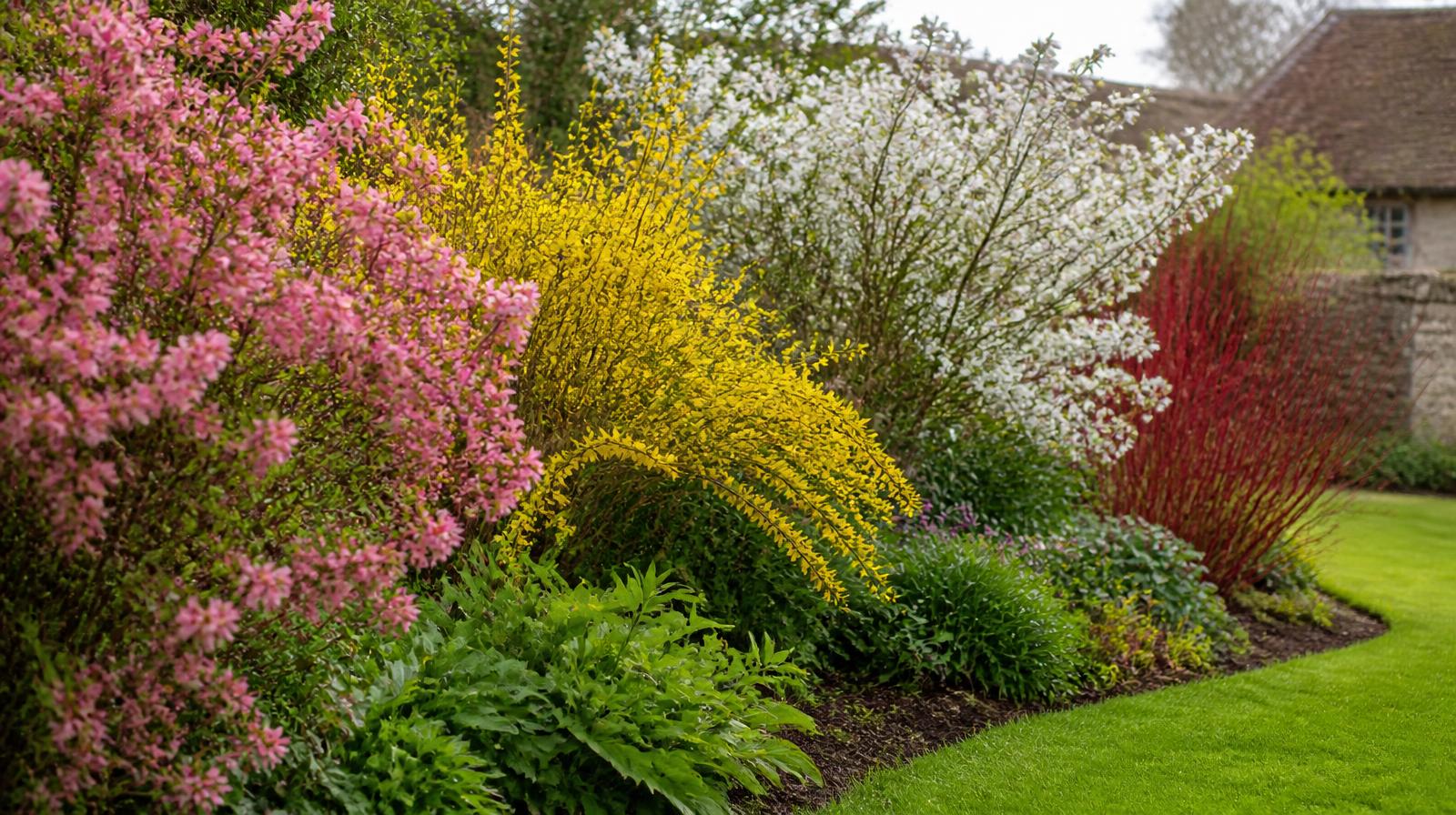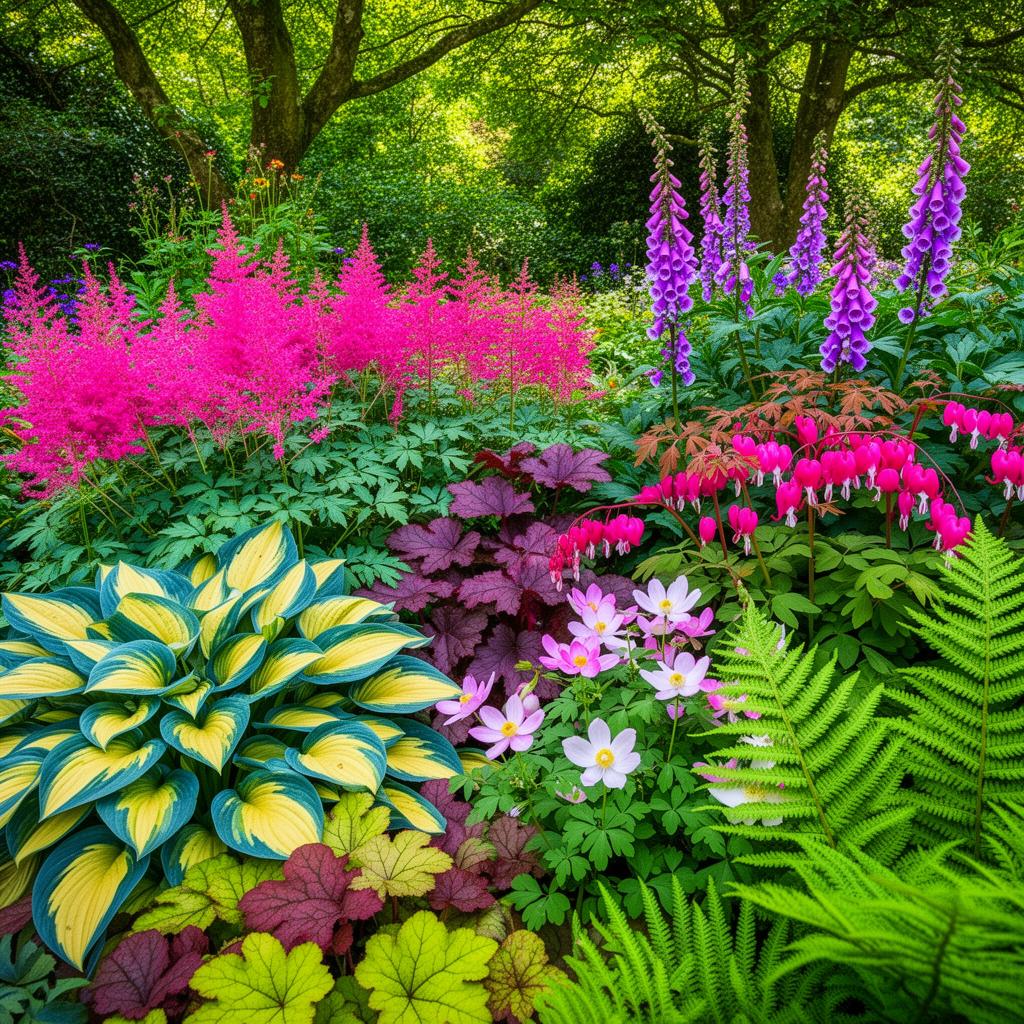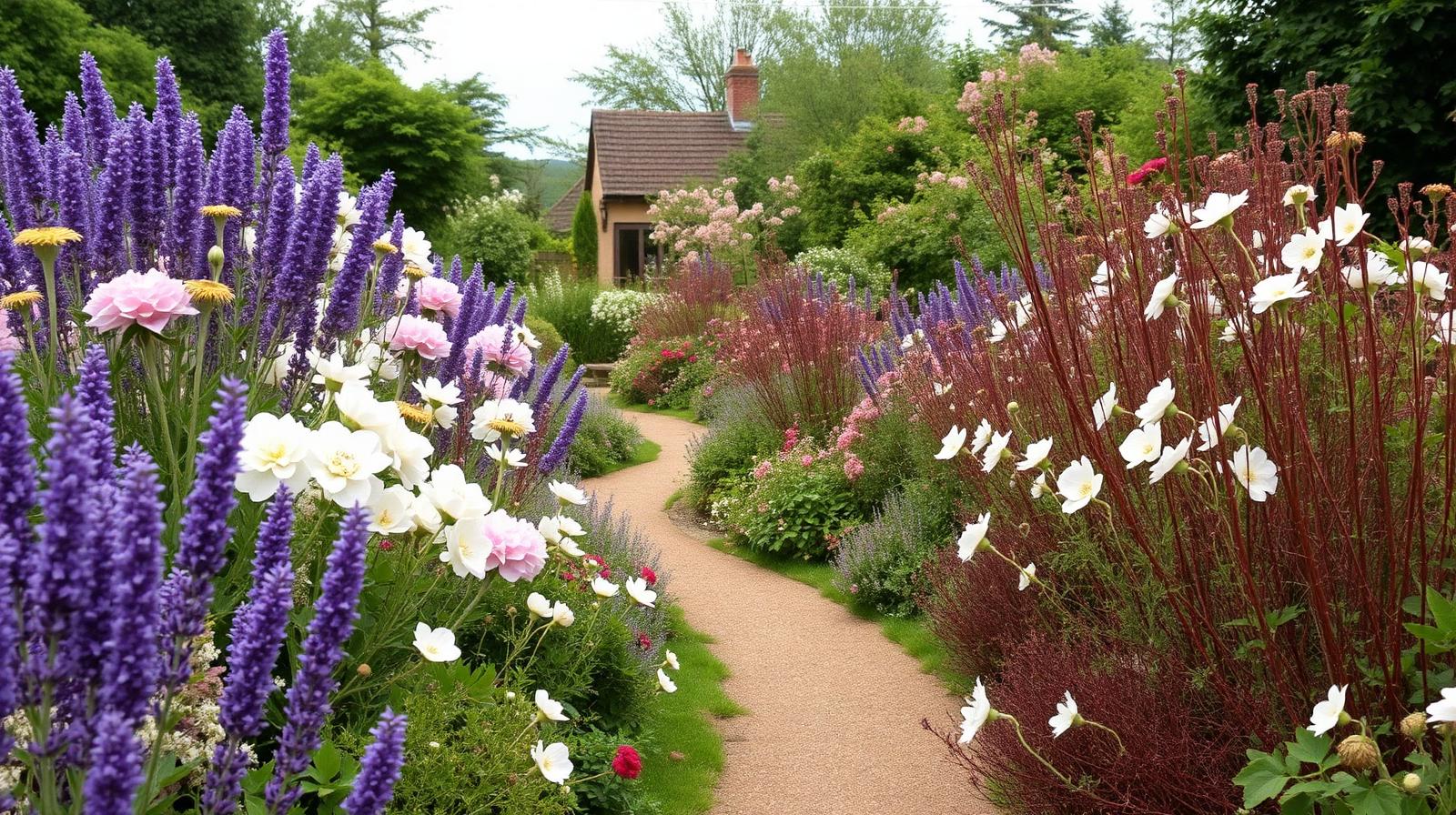
Does your garden look stunning in June and completely bare by January? You are not alone. It is one of the most common frustrations among UK gardeners — and the good news is it is completely fixable, even if you are a complete beginner.
Most gardens suffer from what gardeners call the "June peak" — everything flowers at once in early summer, looks incredible for a few weeks, and then gradually fades away leaving you with bare soil and empty borders for the rest of the year. With a little forward planning you can have something beautiful happening in your garden every single month — from the first snowdrops of January right through to the glowing red stems of winter dogwood in December.
This guide will show you exactly how to do it.
Why most gardens only look good in summer
The reason most gardens peak in summer and struggle in winter comes down to one simple thing — people buy plants when they are in flower. Walk into any garden centre in May or June and the tables are overflowing with gorgeous blooms. You fill your trolley, take them home, and your garden looks wonderful.
But what were those plants doing in November? Nothing. And what will they be doing next February? Still nothing.
The secret to a year-round garden is not buying more plants — it is buying the right plants and spreading their flowering times across all twelve months. That way when one plant finishes, another is just getting started.
The four seasons approach
The easiest way to think about year-round colour is to divide the year into four seasons and make sure you have at least two or three plants performing well in each one.
Winter — January, February, March
Winter is the season most gardeners give up on — and it is also the season where the right plants make the most dramatic difference. After all, a single flowering plant in a bare January border stands out far more than one flower among dozens in July.
Plants that shine in winter:
Hellebore (Helleborus orientalis)
One of the most valuable plants you can have in a UK garden. Hellebores flower from January through to March in extraordinary colours — deep plum, pale pink, creamy white and near-black. They are fully hardy, low maintenance, and thrive in shade. Cut the old leaves back in January to let the flowers show off properly.
Winter Heather (Erica carnea)
A spreading evergreen shrub covered in tiny flowers from December right through to March. Available in pink, purple and white. Unlike most heathers it tolerates lime soil, making it suitable for almost every UK garden. Plant several together for a carpet of winter colour.
Snowdrops (Galanthus nivalis)
The ultimate symbol of hope in the garden. Snowdrops push through in January and February regardless of frost and cold. Buy them "in the green" — as growing plants rather than dry bulbs — for the best results.
Witch Hazel (Hamamelis x intermedia)
Spidery fragrant flowers on bare branches in the depths of winter. Available in yellow, orange and copper-red. Slow growing but absolutely worth the wait — and the fragrance on a cold January morning is extraordinary.
Spring — April, May, June
Spring is the easiest season to fill with colour — the challenge is not buying everything at once and ending up with nothing for later in the year.
Tulips (Tulipa)
Plant bulbs in November for a spectacular April and May display. Available in virtually every colour imaginable. Replace or lift them each year for reliable results. Tulips in pots are particularly effective and can be moved around the garden to wherever colour is needed most.
Alliums (Allium 'Globemaster')
One of the most architectural plants you can grow. Giant spherical purple flowerheads appear in May and June, rising up through other plants on tall stems. Plant bulbs in autumn. The dried seedheads remain decorative well into autumn.
Magnolia (Magnolia stellata)
Breathtaking white or pink blossom on bare branches in March and April. Compact enough for most gardens and also works well in a large container. Avoid frost pockets as a late frost can damage the flowers.
Aquilegia (Aquilegia vulgaris)
Delicate cottage garden flowers in May and June in an extraordinary range of colours. Self-seeds freely so once you have one plant you will always have aquilegias. Almost indestructible and completely low maintenance.
Summer — July, August, September
Summer is where most gardens already perform well — the key is choosing plants with a long flowering season rather than ones that peak for just two or three weeks.
Lavender (Lavandula angustifolia)
The perfect low maintenance summer plant. Lavender flowers from June through to August in soft purple, blue or white. Intensely fragrant and absolutely loved by bees. Drought tolerant once established. Trim lightly after flowering to keep a neat shape.
Hydrangea (Hydrangea macrophylla)
Big, bold flowerheads from July through September. Available in blue, pink and white — the colour depending partly on your soil. In acid soil flowers are blue, in alkaline soil they turn pink. Dried flowerheads look beautiful through autumn and winter too.
Rudbeckia (Rudbeckia fulgida)
Cheerful golden yellow daisy flowers from July through September. Extremely reliable, low maintenance and loved by bees. Seedheads attract birds in autumn. One of the best value plants you can buy for late summer colour.
Echinacea (Echinacea purpurea)
Pink, purple or white daisy flowers from July to September. Drought tolerant, loved by bees and butterflies, and the seedheads provide food for birds into winter. Available in an increasingly wide range of colours.
Autumn and late season — October, November, December
This is where a little forward planning really pays off. Most gardens look tired and bare from October onwards — but they absolutely do not have to.
Japanese Anemone (Anemone x hybrida)
One of the best plants for late season colour. Japanese anemones bring elegant pink or white flowers on tall stems from August right through to October. They thrive in clay soil and part shade — two conditions that many UK gardens have in abundance. Spreads gradually to fill space beautifully.
Sedum (Hylotelephium spectabile)
Flat-topped flowerheads in pink and red from August to October. One of the most important plants for butterflies and bees in late summer. The seedheads remain attractive well into winter.
Cyclamen (Cyclamen hederifolium)
Delicate pink or white flowers from September to November — appearing before the leaves, like a magic trick. Perfect for dry shade under trees where little else will grow. Naturalises beautifully over time.
Dogwood (Cornus alba 'Sibirica')
Grown not for flowers but for its extraordinary brilliant red stems. Dogwood glows through the darkest months of November, December and January. Cut hard back to the ground each spring and it regrows with the most vivid stem colour. Perfectly happy in clay soil.
Putting it all together
The key to a successful year-round garden is making sure you have plants covering every season — not just summer. Here is a simple example of how just ten plants can give you colour in every single month:
| Month | What's looking good |
|---|---|
| January | Hellebore, Winter Heather, Snowdrops, Dogwood stems |
| February | Hellebore, Winter Heather, Snowdrops |
| March | Hellebore, Magnolia, Tulips emerging |
| April | Tulips, Magnolia, Aquilegia |
| May | Tulips, Alliums, Aquilegia |
| June | Alliums, Lavender, Roses |
| July | Lavender, Hydrangea, Rudbeckia |
| August | Hydrangea, Rudbeckia, Japanese Anemone, Sedum |
| September | Japanese Anemone, Sedum, Cyclamen |
| October | Japanese Anemone, Sedum, Cyclamen, Dogwood starting |
| November | Cyclamen, Dogwood stems, Winter Heather starting |
| December | Winter Heather, Dogwood stems, Hellebore buds appearing |
Ten plants. Twelve months. Something beautiful happening every single month of the year.
Tips for getting started
Think in layers
A good border has something happening at ground level, something in the middle and something tall at the back — all at different times of year. Snowdrops at the front, alliums in the middle, a dogwood at the back works brilliantly.
Don't just buy what's in flower at the garden centre
A plant in flower in June is not necessarily going to give you colour in October. Always check the label or look up the plant online to see its full season of interest before you buy.
Plant in groups of three or more
One plant on its own rarely makes an impact. Three of the same plant together creates a proper display.
Consider foliage as well as flowers
Some of the most valuable plants in a year-round garden are grown entirely for their leaves — hostas, heucheras, ornamental grasses and evergreen shrubs give your garden structure and interest even when nothing is flowering.
Every garden is different
The plants suggested in this guide work well in most UK gardens — but every garden is unique. Your soil type, how sunny your garden is, where in the UK you are and how much time you want to spend gardening all affect which plants will perform best for you.
That is exactly why we built Garden Colour Plan. Answer eight simple questions about your garden and we will give you a personalised planting plan — matched specifically to your conditions — so you have beautiful colour in every single month of the year. You can also browse our full plant library of UK garden plants, each with full details on when it flowers, what conditions it needs and where to buy it.
Ready to create your personalised garden colour plan? It takes just 60 seconds and it is completely free.
New here? Visit the Garden Colour Plan home page to see how it all works.