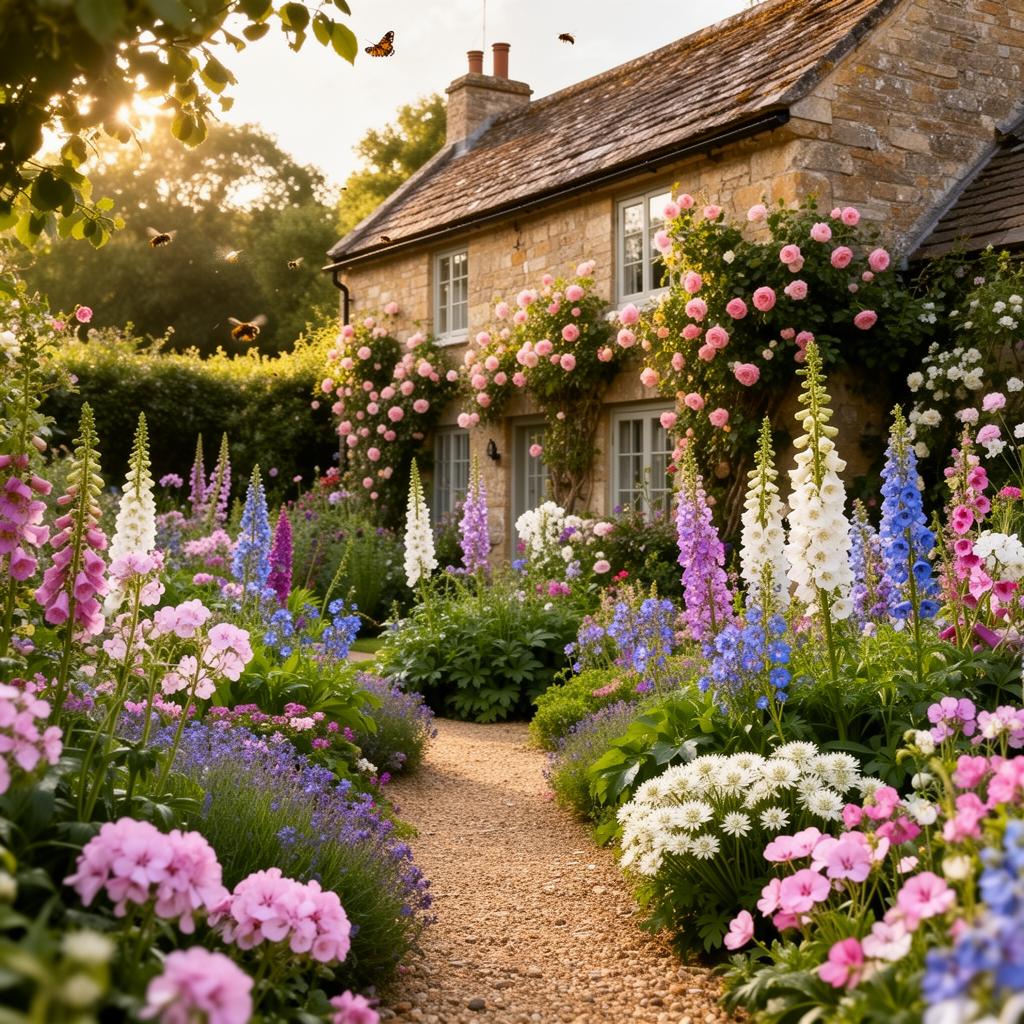
The cottage garden is one of the most loved gardening styles in Britain. Overflowing borders, soft colours tumbling together, fragrant flowers attracting bees and butterflies, something beautiful happening in every single month of the year. It is the garden most British gardeners dream of.
The good news if you have clay soil is that many of the most classic and beloved cottage garden plants actually prefer heavy, moisture-retentive soil. Clay holds nutrients well, stays moist through dry spells and provides a stable rooting environment for the kind of robust, generous plants that define the cottage garden style.
This guide covers the best cottage garden plants for clay soil in the UK, how to plan for year-round colour and interest, and how to create that relaxed, abundant cottage garden look even in heavy clay conditions.
Get a plan matched to your clay soil, sunlight and region
Tell us about your garden in 60 seconds and we'll match plants to your clay soil, light conditions and UK region — free, no sign-up needed.
Why clay soil suits the cottage garden style
Cottage garden plants tend to be robust, vigorous and self-sufficient. They are not delicate, fussy plants that need perfect conditions. They are the kind of plants that have been growing in British cottage gardens for centuries — plants that were chosen because they worked, not because they were fashionable.
Clay soil holds water and nutrients far better than sandy soil. In a dry summer, clay soil gardeners often fare better than those with free-draining soil because their borders stay moist longer. The plants listed in this guide have been chosen specifically because they thrive in clay, deliver the classic cottage garden aesthetic and give you colour across as many months of the year as possible.
The 15 best cottage garden plants for clay soil
1. Rose (Rosa)
No cottage garden is complete without roses and the excellent news is that roses love clay soil. The heavy, moisture-retentive nature of clay suits roses perfectly — they have deep, vigorous root systems that anchor well in dense soil and they benefit from the consistent moisture clay provides through summer.
Choose repeat-flowering English roses for the longest season. Varieties such as Geranium, Falstaff and Gertrude Jekyll produce large, richly fragrant blooms from June through to October and are robust enough to cope with heavy clay without any soil improvement.
Height: 1–1.5 metres | Flowers: June to October | Fragrant: Yes | Maintenance: Moderate
2. Foxglove (Digitalis purpurea)
Foxgloves are the quintessential cottage garden plant and they grow superbly in clay soil. The tall, dramatic spires of purple, pink, white and cream flowers appear in June and July and create exactly the kind of vertical drama that defines the cottage garden style.
They are biennial — meaning they grow leaves in their first year and flower in their second — but they self-seed so freely that once you have them established you will always have foxgloves in your garden without ever needing to replant.
Height: 1–1.5 metres | Flowers: June to July | Maintenance: Zero once established | Wildlife: Exceptional for bumblebees
3. Delphinium (Delphinium elatum)
Delphiniums are perhaps the most spectacular of all cottage garden plants and they thrive in the rich, moisture-retentive conditions that clay soil provides. The towering spikes of flowers in shades of deep blue, purple, white and pink can reach two metres tall and create a dramatic backdrop to any border.
They flower in June and July and if you cut the spent flower spikes back hard immediately after flowering, they will often produce a second flush in September.
Height: 1.5–2 metres | Flowers: June to July and again September | Maintenance: Moderate | Fragrant: Lightly
4. Geranium (Geranium — Hardy Cranesbill)
Hardy geraniums are among the most useful and reliable plants for clay soil cottage gardens. They form spreading mounds of attractive foliage and produce masses of flowers in shades of blue, purple, pink and white from May through to September. Many varieties have excellent autumn foliage colour too.
They are completely low maintenance, self-sufficient and spread steadily to fill gaps in the border. Geranium Rozanne is the variety most recommended for its extraordinarily long flowering season — it can produce blue flowers continuously from May all the way through to the first frosts.
Height: 30–60 cm | Flowers: May to October | Maintenance: Very low | Wildlife: Excellent
5. Astrantia (Astrantia major)
Astrantia is one of the most beautiful and characterful cottage garden plants for clay soil. The intricate, papery, pin-cushion flowers in shades of white, pink and deep burgundy red appear from May to August and have a delicate, old-fashioned quality that fits the cottage garden style perfectly.
It genuinely prefers moist, humus-rich soil — exactly what clay provides — and once established it spreads gently to form good sized clumps that look beautiful in the middle of a mixed border.
Height: 60–90 cm | Flowers: May to August | Maintenance: Low | Cut flower: Excellent
6. Phlox (Phlox paniculata)
Phlox is a classic cottage garden perennial that is perfectly suited to clay soil. From July to September it produces large, domed clusters of sweetly fragrant flowers in shades of white, pink, red, purple and lilac — filling the late summer border with colour and scent at a time when many other plants are beginning to fade.
It needs consistent moisture to perform well, which is exactly what clay soil provides naturally. In free-draining sandy soil phlox can struggle in dry summers — in clay it thrives.
Height: 60–120 cm | Flowers: July to September | Fragrant: Yes | Maintenance: Low
7. Helenium (Helenium autumnale)
Helenium — also known as Sneezeweed — is one of the best late-season cottage garden plants for clay soil. From July through to October it produces masses of daisy-like flowers in rich shades of amber, orange, red and yellow — the warm tones of late summer and early autumn — on tall, sturdy stems.
It is completely at home in heavy, moisture-retentive clay and spreads steadily to form impressive clumps. Divide it every three years to keep it vigorous and to increase your stock.
Height: 90–120 cm | Flowers: July to October | Maintenance: Low | Wildlife: Excellent for bees
8. Lupin (Lupinus)
Lupins are an iconic cottage garden plant and they grow well in clay soil as long as it is not permanently waterlogged. The tall, densely packed flower spikes in every colour imaginable — from pure white through every shade of pink, red, orange, yellow, blue and purple — are one of the most recognisable sights in a British cottage garden in May and June.
They are short-lived perennials, typically lasting three to four years, but they self-seed readily. Deadhead promptly after flowering to encourage a second flush of smaller spikes later in summer.
Height: 90–120 cm | Flowers: May to July | Maintenance: Low | Wildlife: Excellent for bees
9. Crocosmia (Crocosmia)
Crocosmia is one of the most reliable and eye-catching late summer plants for clay soil cottage gardens. From July to September the arching stems carry sprays of vivid orange, red or yellow trumpet flowers that bring real drama and warmth to the border.
Montbretia — the common wild variety — can be invasive on some soils but the named varieties such as Lucifer and Emily McKenzie are well-behaved, vigorous and spectacular. They spread steadily in clay soil, forming impressive clumps that get better every year.
Height: 60–90 cm | Flowers: July to September | Maintenance: Very low | Wildlife: Excellent for hummingbird hawkmoths
10. Echinacea (Echinacea purpurea)
Echinacea — Purple Coneflower — has become one of the most popular cottage garden plants of recent years and it grows very well in clay soil. From July to September the large, daisy-like flowers with prominent central cones appear in shades of purple, pink, white and orange, and the dried seed heads that follow are beautiful through autumn and winter.
Leave the seed heads standing through winter — they look architectural in frost and provide food for goldfinches and other seed-eating birds.
Height: 60–90 cm | Flowers: July to September | Maintenance: Low | Wildlife: Exceptional
11. Salvia (Salvia nemorosa)
Hardy salvias are indispensable cottage garden plants for clay soil. They produce dense spikes of deep violet-blue, purple or pink flowers from June through to September and their aromatic foliage is attractive throughout the growing season.
They are extremely drought tolerant once established — which might seem irrelevant in clay soil — but this toughness means they are genuinely unfussy and reliable in all conditions. Cut them back hard after the first flush of flowers and they will produce a second wave of colour in late summer.
Height: 40–60 cm | Flowers: June to September | Maintenance: Low | Wildlife: Excellent for bees
12. Campanula (Campanula lactiflora)
Campanulas — bellflowers — are classic cottage garden plants and the taller perennial varieties thrive in clay soil. Campanula lactiflora produces large clouds of lavender-blue or white bell-shaped flowers from June to August on tall, branching stems and has an airy, romantic quality that is perfect for the cottage garden style.
It seeds itself gently around the garden, popping up in unexpected places and adding to that relaxed, unplanned feel that defines the best cottage gardens.
Height: 90–150 cm | Flowers: June to August | Maintenance: Low
13. Achillea (Achillea millefolium)
Yarrow is one of the toughest and most reliable cottage garden plants for clay soil. From June to September the flat-topped flower heads in shades of yellow, white, pink, red and terracotta appear above feathery, aromatic foliage. The dried flower heads continue to look attractive well into autumn and winter.
It tolerates clay soil well and spreads steadily to fill gaps in the border. The flat flower heads are landing platforms for huge numbers of beneficial insects — few plants attract as wide a range of pollinators.
Height: 60–90 cm | Flowers: June to September | Maintenance: Very low | Wildlife: Outstanding
14. Verbena bonariensis
Verbena bonariensis has become one of the most fashionable cottage garden plants of the last two decades and it grows surprisingly well in clay soil. The tall, wiry, almost leafless stems carry small clusters of vivid purple flowers from July right through to the first frosts — often October or November in a mild year.
The near-transparent stems mean you can plant it through other plants and it adds colour without blocking anything behind it. It self-seeds freely and comes back reliably year after year.
Height: 1.2–1.8 metres | Flowers: July to October | Maintenance: Zero once established | Wildlife: Exceptional for butterflies
15. Rudbeckia (Rudbeckia fulgida)
Rudbeckia — Black-eyed Susan — is one of the most cheerful and reliable late season cottage garden plants for clay soil. From August to October the bright golden-yellow daisy flowers with their distinctive dark centres bring warmth and colour to the border at exactly the time when the garden can start to look tired.
It is completely unfussy, very low maintenance and spreads steadily in moist clay soil to form impressive clumps. Leave the seed heads standing through winter for the birds and for structural interest.
Height: 60–90 cm | Flowers: August to October | Maintenance: Very low | Wildlife: Excellent
Month by month cottage garden colour in clay soil
| Month | What to enjoy |
|---|---|
| January | Structural seed heads of Echinacea and Rudbeckia standing in frost |
| February | First Hardy Geranium foliage emerging — Foxglove rosettes growing |
| March | Geranium foliage filling out — anticipation building |
| April | Lupin foliage bold and lush — Astrantia emerging |
| May | Lupins flowering — Hardy Geraniums beginning — Astrantia opening |
| June | Roses beginning — Foxgloves at peak — Delphiniums spectacular — Salvias flowering |
| July | Roses continuing — Phlox beginning — Crocosmia starting — Helenium opening — Echinacea |
| August | Phlox at peak — Helenium full — Crocosmia continuing — Rudbeckia beginning |
| September | Helenium continuing — Rudbeckia at peak — Verbena bonariensis — Roses second flush |
| October | Rudbeckia finishing — Verbena bonariensis continuing — Seed heads appearing |
| November | Structural seed heads — Verbena bonariensis in mild weather |
| December | Seed heads of Echinacea and Rudbeckia providing winter structure |
Tips for creating a cottage garden on clay soil
- Plant in bold drifts rather than single specimens. The cottage garden style relies on abundance and generosity. Three, five or seven of the same plant grouped together looks far more effective than one of everything dotted about.
- Allow plants to self-seed. Foxgloves, Verbena bonariensis and Campanula all self-seed freely in clay soil. Resist the urge to weed out every unexpected seedling — some of the best cottage garden moments come from plants finding their own positions.
- Mix heights confidently. Tall Delphiniums and Foxgloves at the back, medium Roses, Phlox and Astrantia in the middle, lower Hardy Geraniums and Salvias at the front. This layering creates the lush, full look that defines the cottage garden style.
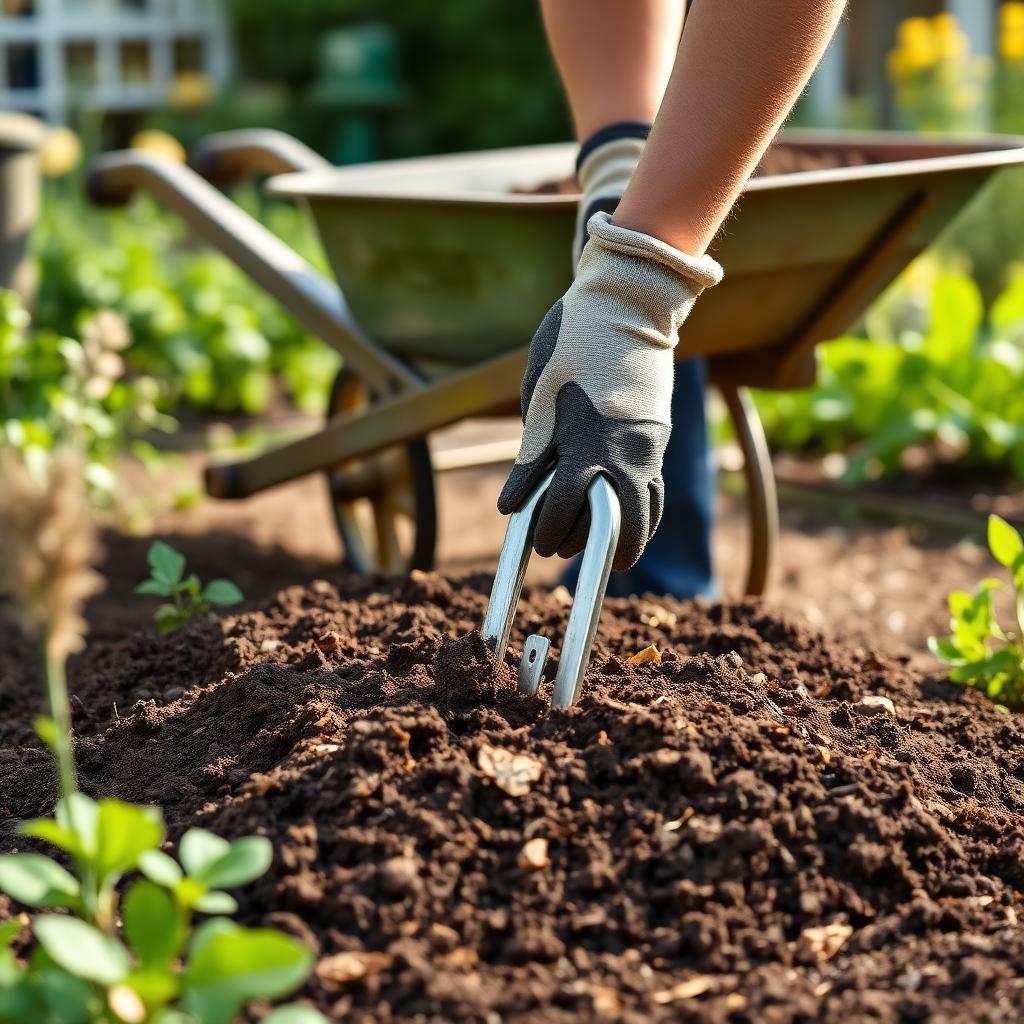
- Add organic matter every autumn. Spread a generous layer of well-rotted compost or leaf mould across your borders in October or November. By spring the worms will have worked it into the clay, gradually improving the structure year on year.
- Do not over-tidy. The cottage garden style is relaxed and generous. Leave seed heads standing through winter, allow a little self-seeding, let plants lean into each other slightly. Perfection is not the goal — abundance is.