Clay soil and shade together can feel like the worst possible combination for a gardener — heavy, slow-draining ground that also does not get much sun. But this combination is far more common than most people realise, and there is a genuinely excellent range of plants that not only cope with these conditions but actively prefer them.
In fact, many of the most beautiful and lush garden plants in existence — the kind that look effortlessly elegant rather than struggling to survive — are exactly the plants suited to moist, shaded, heavy soil.
This guide covers the best plants for clay soil and shade in the UK, what to expect from this combination, and how to create a genuinely beautiful shaded garden even on the heaviest clay.
Get a plan matched to your clay soil, sunlight and region
Tell us about your garden in 60 seconds and we'll match plants to your clay soil, light conditions and UK region — free, no sign-up needed.
Why clay and shade actually work well together
It might seem like a difficult combination but clay soil and shade share one important characteristic that works in your favour — moisture retention. Shaded areas lose less water to evaporation, and clay holds onto whatever moisture is there for longer than other soil types. Together they create consistently moist conditions that a huge range of woodland and damp-loving plants genuinely thrive in.
The plants that struggle in this combination are sun lovers and drought-tolerant Mediterranean style plants. The plants that excel are woodland perennials, ferns, and shade-loving shrubs — many of which are among the most elegant and architectural plants you can grow.
The 13 best plants for clay soil and shade in the UK
1. Hosta (Hosta)
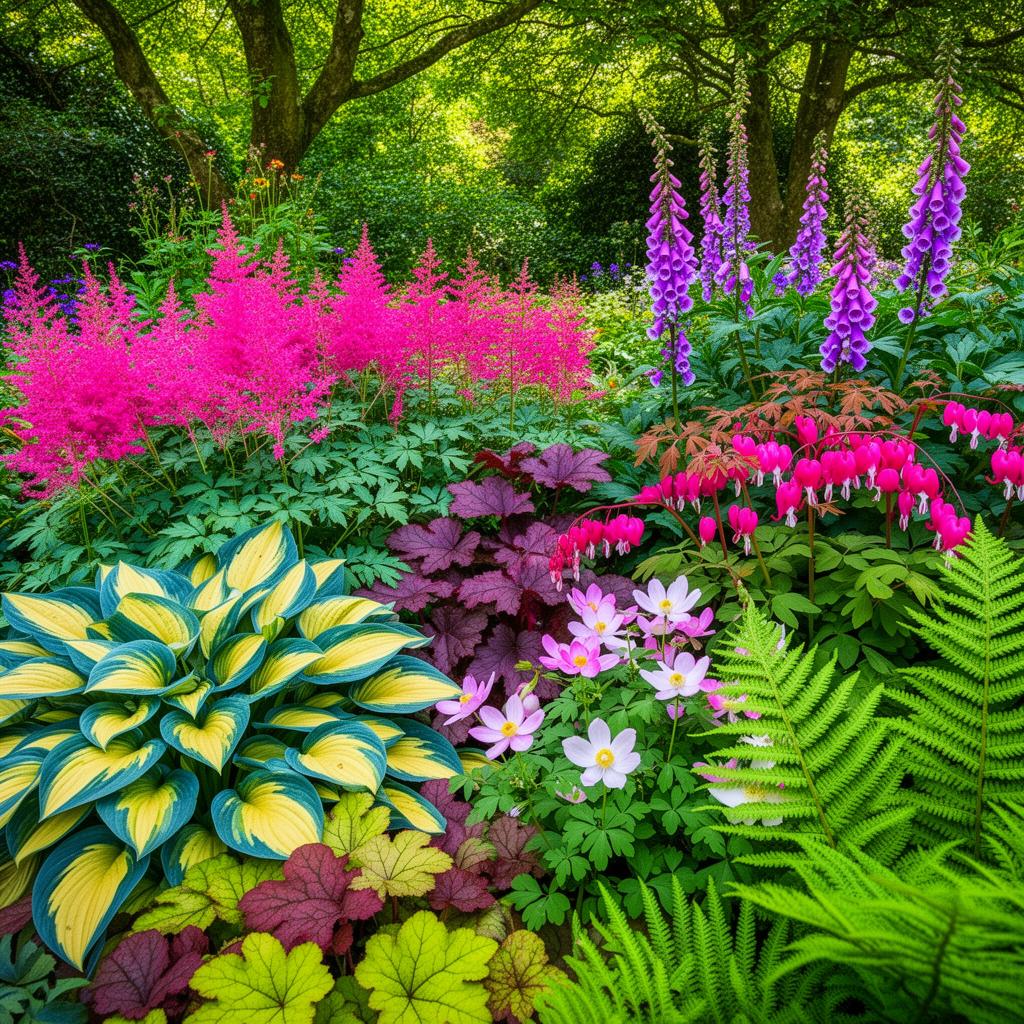
Hostas are the single best plant for clay soil and shade combined. Grown for their spectacular foliage in shades of deep green, blue-green, golden yellow and variegated white, they are completely at home in moist, heavy, shaded ground. The consistent moisture that clay and shade provide together helps them grow larger and more impressively than in drier conditions.
Height: 30–70 cm | Interest: April to October | Maintenance: Low
2. Ferns (Various)
Ferns are practically made for this combination. They ask for nothing more than shade and moisture, and clay soil in a shaded spot provides exactly that. Evergreen varieties such as the Hart's Tongue Fern and Soft Shield Fern provide green structure right through winter as well.
Height: 30–90 cm | Interest: Year-round (evergreen varieties) | Maintenance: Very low
3. Astilbe (Astilbe)
Astilbe thrives in moist, shaded, heavy soil and produces feathery plume-like flowers in June and July in shades of red, pink, white and purple. It is one of the few perennials that genuinely prefers these exact conditions rather than merely tolerating them.
Height: 60–90 cm | Flowers: June to August | Maintenance: Very low
4. Bleeding Heart (Lamprocapnos spectabilis)
Bleeding Heart produces arching stems of perfectly heart-shaped flowers in April and May in deep rose-pink and white. The cooler, moister conditions of a shaded clay border help it last longer before its natural summer dormancy.
Height: 60–90 cm | Flowers: April to May | Maintenance: Low
5. Astrantia (Astrantia major)
Astrantia genuinely prefers moist, humus-rich soil in partial shade — exactly what a shaded clay border provides. The intricate, papery flowers in white, pink and burgundy appear from May to August and look beautiful both in the border and cut for the vase.
Height: 60–90 cm | Flowers: May to August | Maintenance: Low
6. Foxglove (Digitalis purpurea)
Foxgloves actually prefer dappled shade over full sun and tolerate clay soil well. The dramatic purple, pink, white and cream flower spikes appear in June and July and self-seed freely, meaning they tend to keep returning year after year with no effort at all.
Height: 1–1.5 metres | Flowers: June to July | Maintenance: Zero once established
7. Heuchera (Heuchera)
Heucheras provide extraordinary year-round foliage colour — deep burgundy, copper-bronze, lime green and caramel — and hold their colour through winter even in shade. Clay soil provides the consistent moisture they need to look their best through summer.
Height: 30–45 cm | Interest: Year-round | Maintenance: Low | Evergreen: Yes
8. Rodgersia (Rodgersia pinnata)
Rodgersia is an underused architectural plant for moist, shaded, heavy soil. The large, deeply veined leaves resemble horse chestnut foliage and in June and July tall plumes of pink or white flowers appear above them.
Height: 90–120 cm | Flowers: June to July | Maintenance: Low
9. Japanese Anemone (Anemone × hybrida)
Japanese Anemones tolerate shade well and thrive in moist clay soil, flowering from August to October when many other shaded garden plants have finished. The elegant single flowers in pink and white bring valuable late season colour to dim corners.
Height: 60–120 cm | Flowers: August to October | Maintenance: Very low
10. Mahonia (Mahonia aquifolium)
Mahonia grows well in quite deep shade and tolerates heavy clay. From November to February it produces fragrant, bright yellow flower spikes followed by blue-purple berries — bringing structure and winter colour to shaded clay borders when little else is happening.
Height: 1–1.5 metres | Flowers: November to February | Maintenance: Very low | Evergreen: Yes
11. Hydrangea (Hydrangea macrophylla)
Hydrangeas prefer a position out of harsh direct sun and tolerate clay soil very well due to its moisture retention. In a shaded clay border the flowers — in shades of blue, pink, purple and white from June to October — last considerably longer than they would in a sunnier, drier spot.
Height: 1–2 metres | Flowers: June to October | Maintenance: Low
12. Snowdrops (Galanthus nivalis)
Snowdrops naturalise beautifully in shaded, moisture-retentive clay soil, often found growing under deciduous trees. They flower in January and February — earlier than almost anything else — and spread year on year to form increasingly impressive drifts.
Height: 10–15 cm | Flowers: January to February | Maintenance: Zero once established
13. Bergenia (Bergenia cordifolia)
Bergenia tolerates both shade and clay soil with ease. The large, glossy evergreen leaves provide structure and ground cover year-round, turning bronze-red in winter, while clusters of pink or white flowers appear in March and April.
Height: 30–40 cm | Flowers: March to April | Maintenance: Very low | Evergreen: Yes
Month by month colour for a shaded clay garden
| Month | What to enjoy |
|---|---|
| January | Snowdrops beginning — Mahonia flowering |
| February | Snowdrops at peak — Bergenia foliage colouring |
| March | Bergenia flowering — Mahonia finishing |
| April | Bleeding Heart flowering — Hostas emerging |
| May | Astrantia beginning — Foxgloves budding — Ferns unfurling |
| June | Foxgloves at peak — Hydrangea beginning — Astilbe starting |
| July | Astilbe full — Rodgersia flowering — Astrantia continuing |
| August | Japanese Anemone beginning — Hydrangeas continuing |
| September | Japanese Anemone at peak — Heuchera foliage rich |
| October | Japanese Anemone finishing |
| November | Mahonia beginning again — evergreen structure from Ferns and Heuchera |
| December | Mahonia — evergreen foliage holding colour through winter |
Tips for shaded clay borders
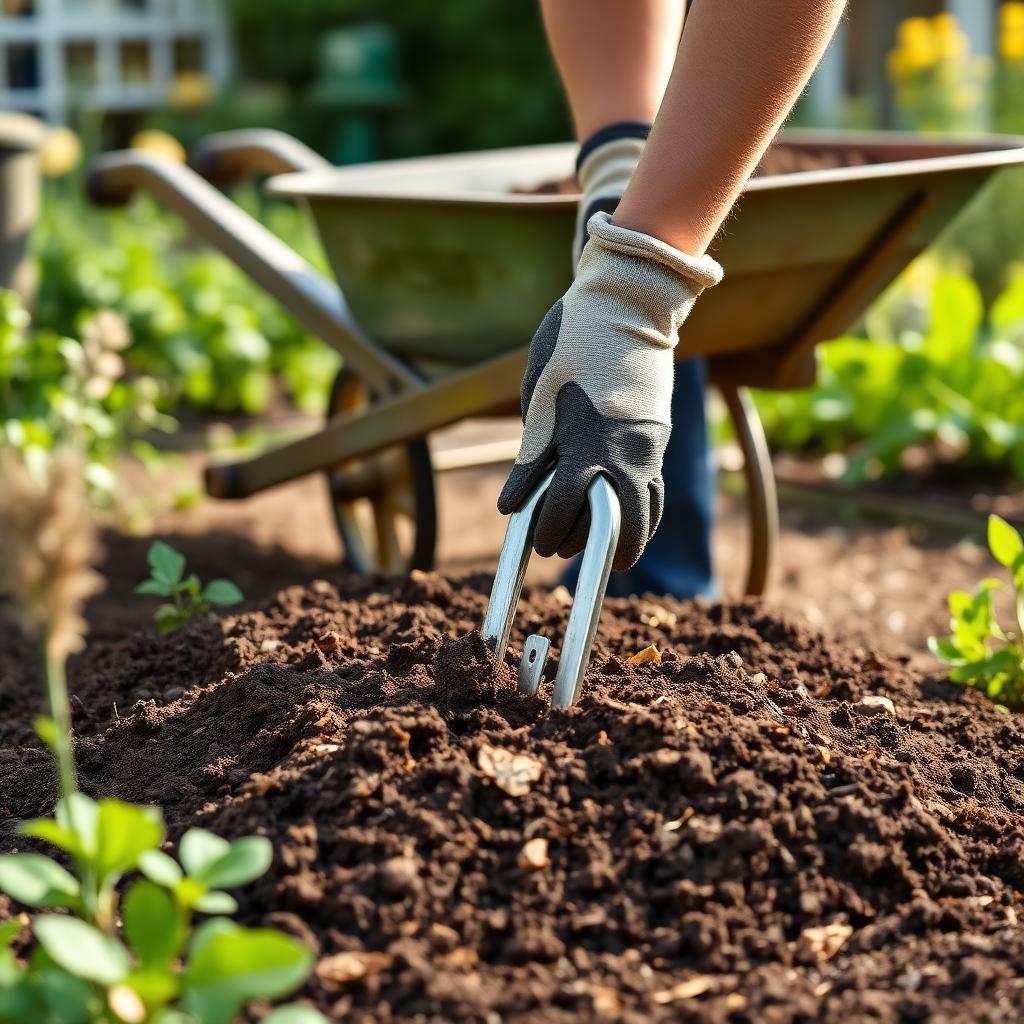
Improve the soil before planting. Dig in plenty of well-rotted compost or leaf mould to improve structure and drainage in shaded clay, which can otherwise become waterlogged.
Use pale colours and pale foliage to lift the space. Variegated hostas, pale flowering astrantia and white foxgloves all help brighten a shaded clay corner.
Watch for slugs. Moist shade is prime slug territory. Protect emerging hostas and young plants with copper tape or wildlife-friendly pellets.
Be patient with establishment. Plants in shaded clay can take a season longer to settle in than the same plants in better conditions. Do not give up too early.