If you garden on clay in the UK, you already know the pain — sticky and unworkable in winter, cracked and rock-hard in summer, and seemingly designed to swallow a garden fork whole. But here's the good news: clay is actually one of the most nutrient-rich soils in the country. With the right approach, it can be transformed into deep, moisture-holding, plant-friendly soil that many gardeners would envy.
This guide walks through exactly how to improve clay soil in a UK garden — what actually works, what to avoid, and how to do it season by season without breaking your back or your budget.
Get a plan matched to your clay soil, sunlight and region
Tell us about your garden in 60 seconds and we'll match plants to your clay soil, light conditions and UK region — free, no sign-up needed.
First, understand what you're working with
Clay soil is made of extremely fine mineral particles that pack tightly together. That's why water drains slowly, air can't reach plant roots, and the ground feels dense and heavy. The upside is that those same tiny particles hold onto nutrients brilliantly — far better than sandy soil ever will.
The goal of improving clay soil is not to replace it. It's to open it up — creating gaps between particles so water can drain, air can move, and roots can push through easily. Once you do that, you get the best of both worlds: excellent structure and excellent fertility.
The single most important thing: add organic matter
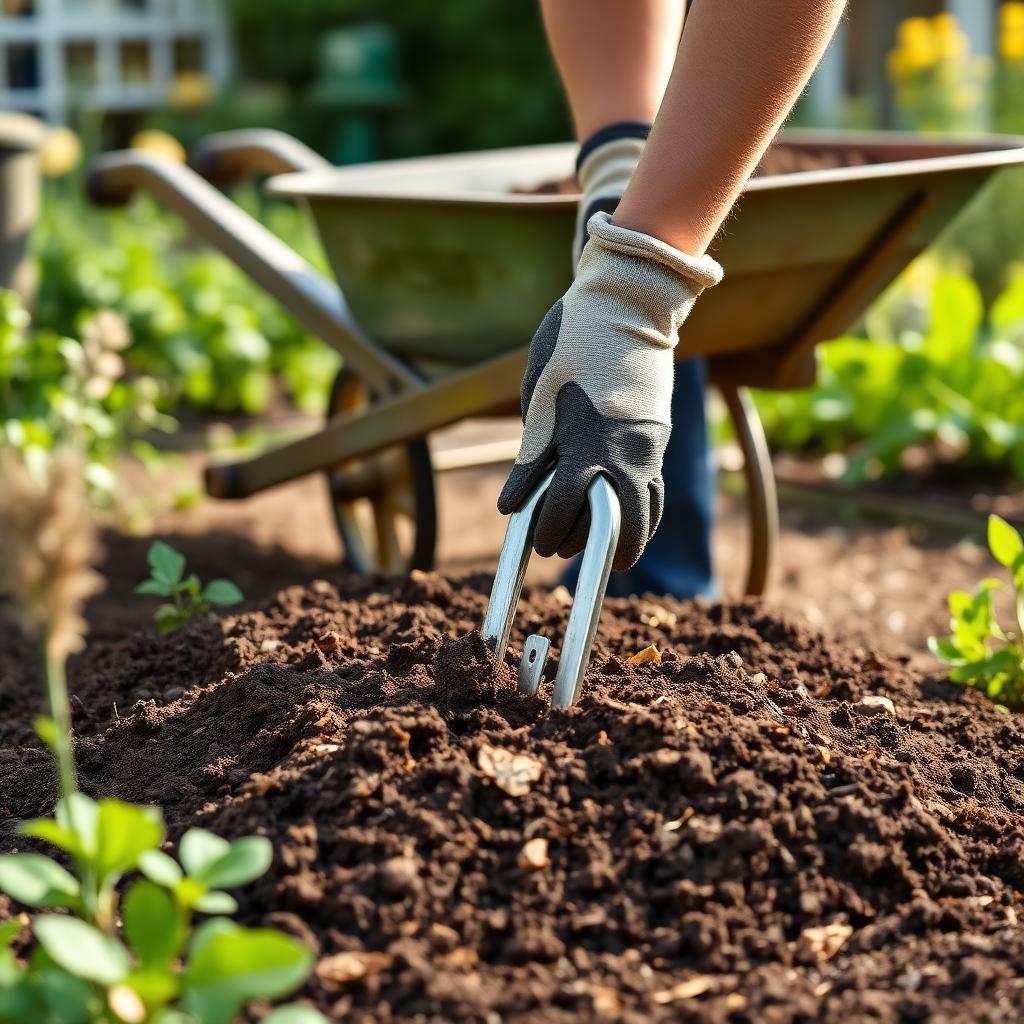
If you only do one thing to improve clay soil, make it this: add a thick layer of well-rotted organic matter every single year. Over time, this is what physically changes the structure of the soil, turning heavy clay into rich, crumbly loam.
Good sources of organic matter for UK clay gardens include:
- Well-rotted farmyard manure (horse or cow, at least 12 months old)
- Garden compost from your own bin
- Mushroom compost (avoid on acid-loving plants)
- Leaf mould — free, and the best long-term soil conditioner there is
- Bagged soil conditioner from a garden centre
Aim for a layer around 5–10 cm thick, spread across the soil surface. You do not need to dig it in — worms and weather will do that job for you.
Should you dig clay soil? The truth about 'no-dig'
Traditional advice was to double-dig heavy clay in autumn, letting winter frost break it down. It works — but it's brutal, and it damages the fungal networks that make soil healthy long term.
The modern approach used by most UK gardeners now is the no-dig method popularised by Charles Dowding. Simply spread a thick layer of compost or well-rotted manure on top of the soil each autumn and let nature do the work. It takes two to three years to see dramatic results, but the transformation is real and lasting.
If your clay is truly compacted or waterlogged, one initial deep dig to break the surface pan is fine — then switch to no-dig from that point on.
The grit question — does it actually help?
Horticultural grit is often recommended for clay, and it does help — but only in the right conditions. Adding a small amount of grit to a huge volume of clay does almost nothing. To meaningfully improve drainage you'd need to work in massive quantities, and even then the effect is limited.
Grit is genuinely useful in two situations:
- Mixed into the planting hole for individual plants that need sharp drainage (lavender, salvias, Mediterranean herbs)
- Top-dressed around alpines, bulbs, and crown-sensitive perennials to keep the collar dry over winter
For overall soil improvement across a whole border, organic matter beats grit every single time.
Season-by-season plan for improving clay
Autumn (October–November) — the most important season
This is when the heavy lifting happens. After cutting back spent perennials, spread a 5–10 cm layer of well-rotted manure or compost over the whole border. Winter frost, rain, and worms will pull it down into the soil over the coming months. Do this every year and your clay will change dramatically within three seasons.
Winter (December–February) — leave it alone
The single worst thing you can do to clay soil is walk on it or dig it when it's wet. Wet clay compacts like concrete and can take years to recover. If you must work in the garden in winter, lay down scaffold boards to spread your weight.
Spring (March–April) — plant and mulch
Once the soil has dried out enough that a handful crumbles rather than sticking together, it's safe to plant. Add a fresh 5 cm mulch of compost around new plantings to lock in moisture and continue feeding the soil.
Summer (June–August) — mulch, mulch, mulch
Clay soil dries out from the top down and cracks badly in hot weather. A thick summer mulch — bark, compost, or even grass clippings — keeps the surface cool, reduces watering, and stops the cracking that damages roots.
Plants that actually help improve clay soil
Some plants are known as 'soil breakers' — their deep taproots physically punch through heavy ground and create channels for water and air. The classic UK example is comfrey, whose roots can reach two metres deep and which also makes excellent liquid feed. Other useful soil-improving plants include:
- Comfrey (Symphytum) — deep taproot, brilliant for compost
- Green manures like clover, phacelia and field beans (autumn-sown, dug in or cut down in spring)
- Daikon radish — sometimes called 'tillage radish' for its ability to break compacted ground
What to avoid on clay soil
- Walking or digging on wet clay — it compacts the structure you're trying to build
- Adding sand alone — this can create a concrete-like mix; only helpful in massive quantities alongside organic matter
- Rotavating regularly — it destroys structure and fungal networks
- Leaving soil bare over winter — always mulch or cover with a green manure
Realistic timeline for results
Improving clay soil is a slow game, but a rewarding one. Here's a realistic UK timeline:
- Year 1: The top 5 cm becomes noticeably darker and easier to work with. Worm activity increases.
- Year 2: The workable layer deepens to around 10–15 cm. Drainage improves. Plants establish more easily.
- Year 3: Rich, crumbly loam extends to spade depth. Cracking in summer largely disappears.
- Year 5+: You have some of the best soil in the country — fertile, moisture-retentive and easy to work.
Plant into clay while you improve it
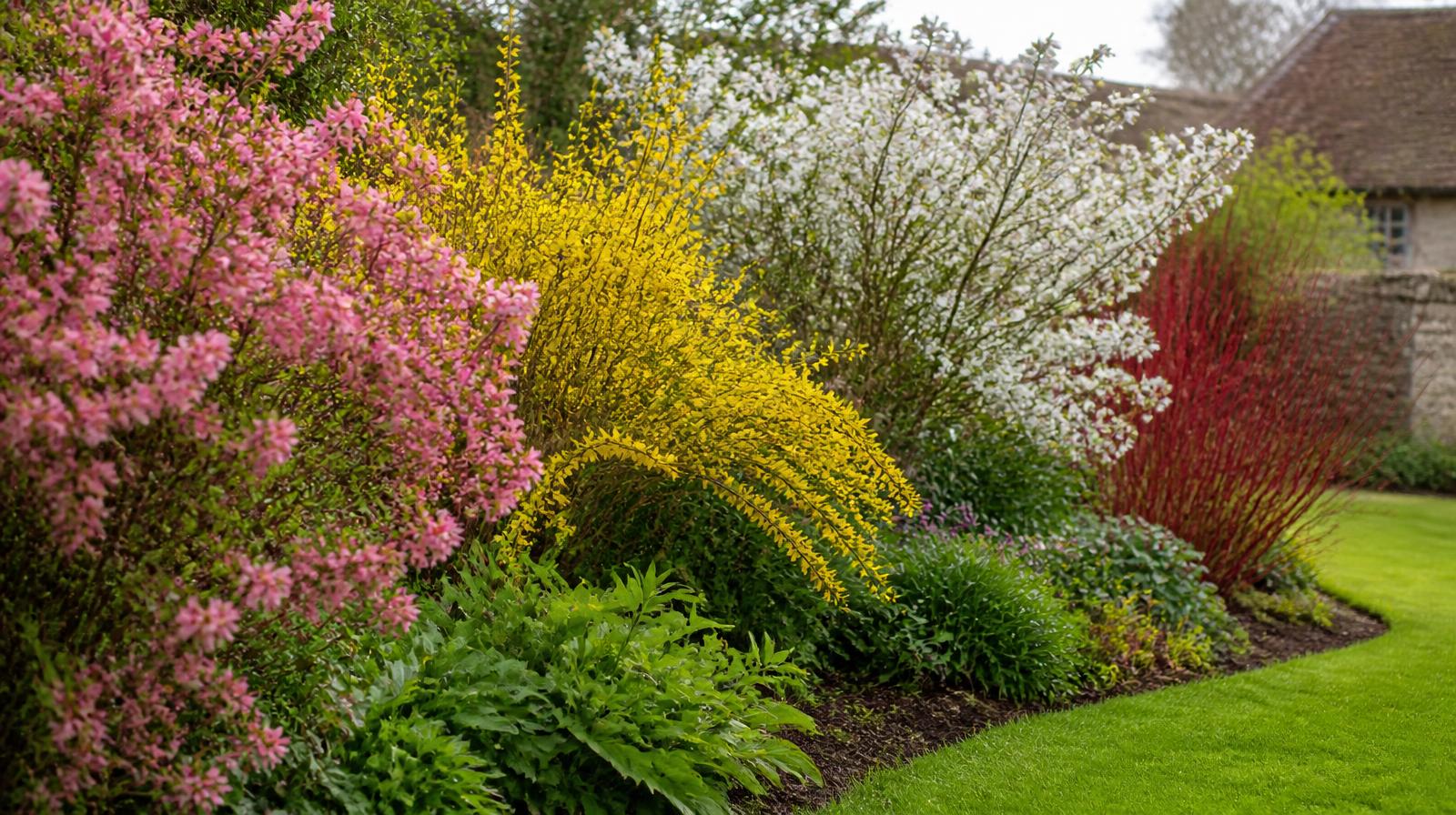
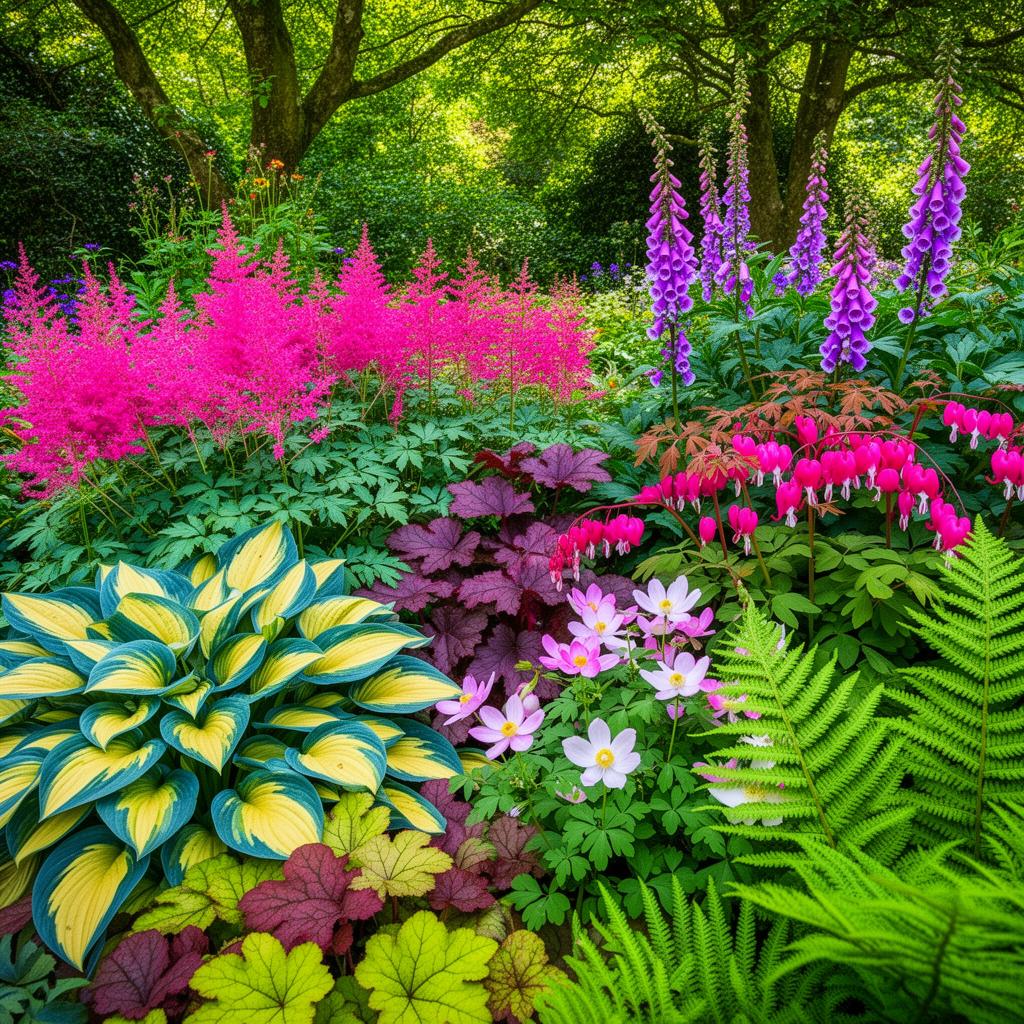
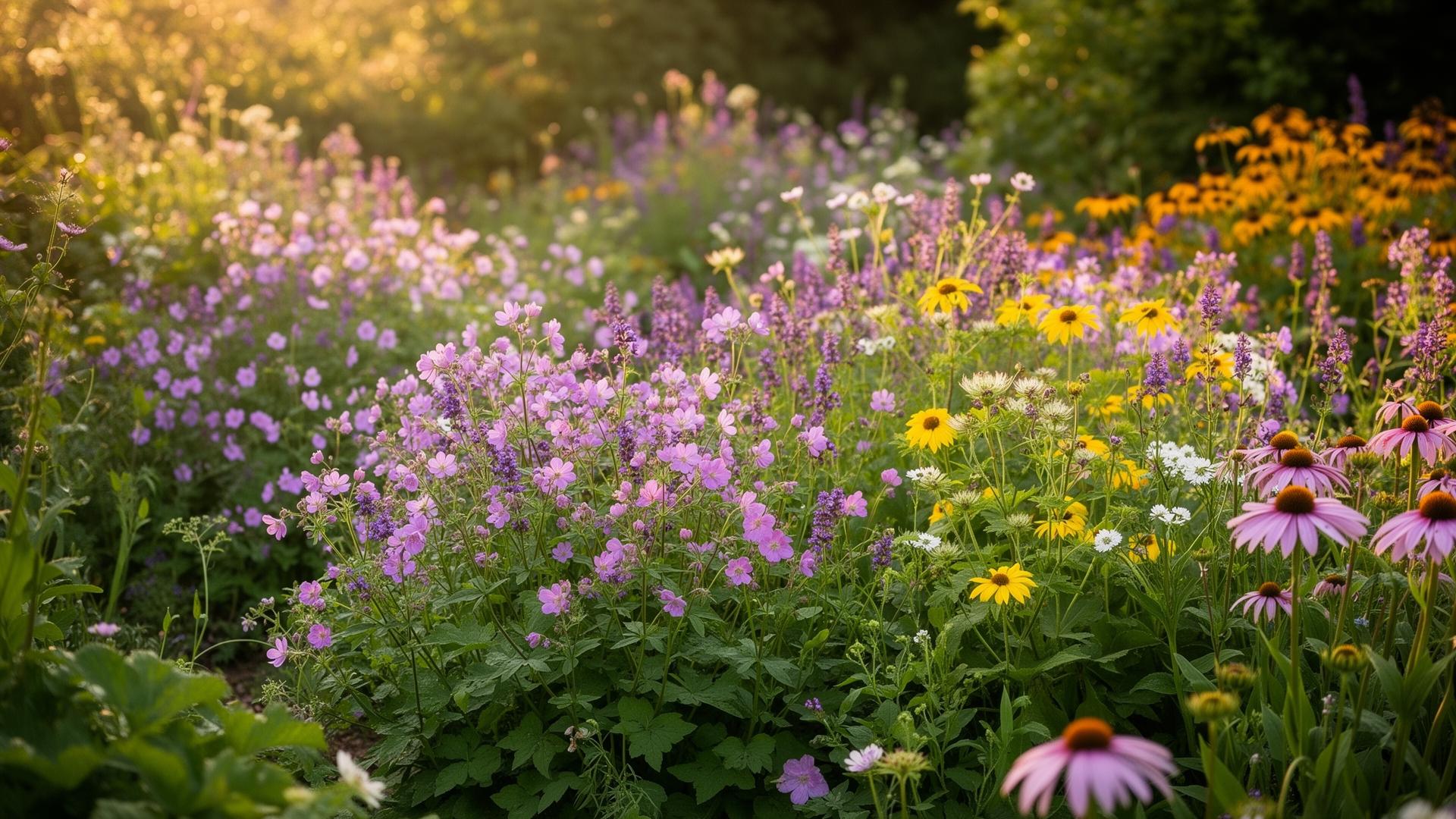
You don't have to wait years to start planting. Many of the UK's most beautiful garden plants actually thrive on clay from day one — roses, hardy geraniums, astrantia, hostas and countless others. Choosing the right plants means your borders look full and beautiful while the soil quietly improves underneath.
For a full list of plants that love clay from the start, see our guides to the best plants for clay soil UK gardens, the best perennials for clay soil, and the best plants for clay soil and shade.
Frequently asked questions
How long does it take to improve clay soil?
You'll see noticeable improvement within the first year of adding organic matter, but the real transformation takes 3–5 years of consistent mulching and no-dig practice.
Can I plant straight into unimproved clay?
Yes — many UK garden plants genuinely thrive on clay. Roses, geraniums, astrantia, hostas, and viburnum all cope brilliantly. See our clay soil planting guides for the full list.
Is gypsum any good for clay soil?
Gypsum can help slightly in very specific soil chemistry conditions, but for most UK clay gardens the effect is minimal and short-lived. Well-rotted organic matter delivers vastly better results.
Should I add sand to clay soil?
Not on its own — small amounts of sand mixed with clay can actually make the problem worse. Organic matter is always the answer for structural improvement.
When should I mulch clay soil?
Autumn is the most important time — a thick mulch feeds the soil over winter and improves structure. Top up again in spring after planting to lock in moisture.