If you have ever tried to dig a hole in your garden in February and ended up with a spade full of sticky orange porridge, you have clay soil. And if you have watched plants sulk, rot or simply refuse to grow in it, you are far from alone — clay is one of the most common soil types across the UK, and one of the most complained about.
Here is the good news. Clay soil is actually one of the most fertile and rewarding soils you can garden on, once you choose the right plants for it. The wrong plants will rot in winter and bake to concrete in summer. The right plants will grow bigger, faster and more reliably than they would in any other soil — and many of the most beautiful plants in the UK absolutely love it.
This guide cuts through the confusion. Below are the plants that genuinely thrive in heavy clay soil, the small changes that transform clay from a problem into an asset, and the plants to avoid completely if your garden is on the heavy side.
Get a plan matched to your clay soil, sunlight and region
Tell us about your garden in 60 seconds and we'll match plants to your clay soil, light conditions and UK region — free, no sign-up needed.
How to know if you have clay soil
Clay soil is easy to identify. It is sticky and heavy when wet, sets rock hard when dry, holds water for a long time after rain, and feels smooth and almost greasy when you rub it between your fingers. If you can roll a small lump of damp soil into a sausage shape that holds together without crumbling, you have clay.
Most gardens in the Midlands, South East and parts of the North have clay or clay-heavy soil. It is by far the most common soil type in built-up areas because builders typically strip the topsoil during construction and leave the heavier subsoil behind.
Why clay soil is actually brilliant
Before listing the plants, it is worth understanding why so many of them thrive in clay. Clay soil is naturally rich in nutrients — far more so than sandy or chalky soil. It holds water, which means plants suffer less in a dry summer. And it is warm enough by mid spring to grow almost anything.
The two challenges with clay are simple. It can be waterlogged in winter, which rots the roots of Mediterranean and drought-loving plants. And it can be hard to dig and hard for delicate roots to push through. Choose plants that handle these conditions and you have one of the most productive gardens in the country.
The best plants for clay soil — by category
Below are the plants that genuinely love heavy clay in a UK garden. Plant any of these and you can expect strong growth and reliable performance with very little fuss.
Best shrubs for heavy clay soil (including evergreens for poor drainage)
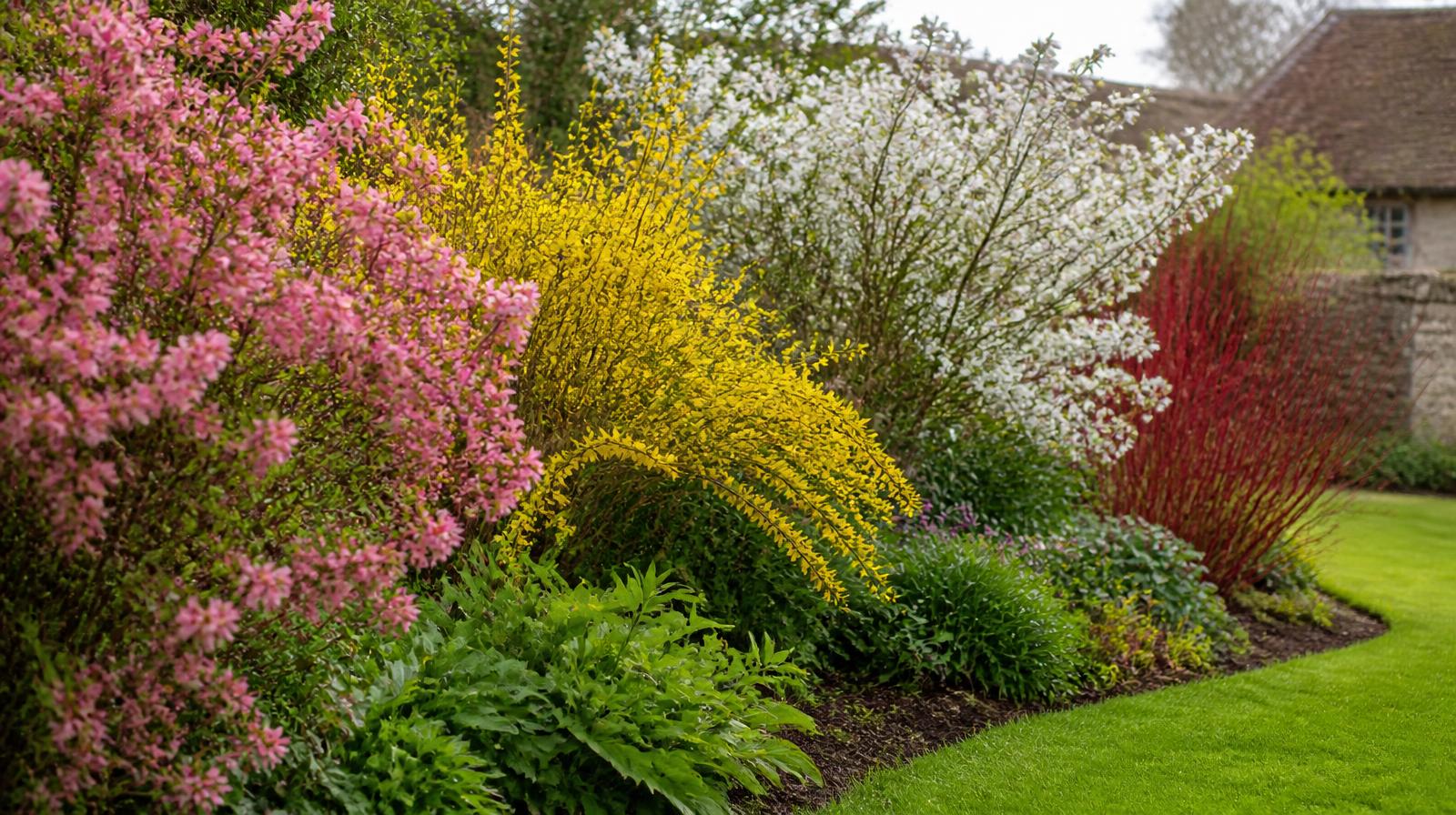
Shrubs are the backbone of any clay garden. Their deeper, woody roots punch through heavy soil with ease, and many of the most popular UK shrubs evolved in exactly this kind of ground.
Rose (Rosa)
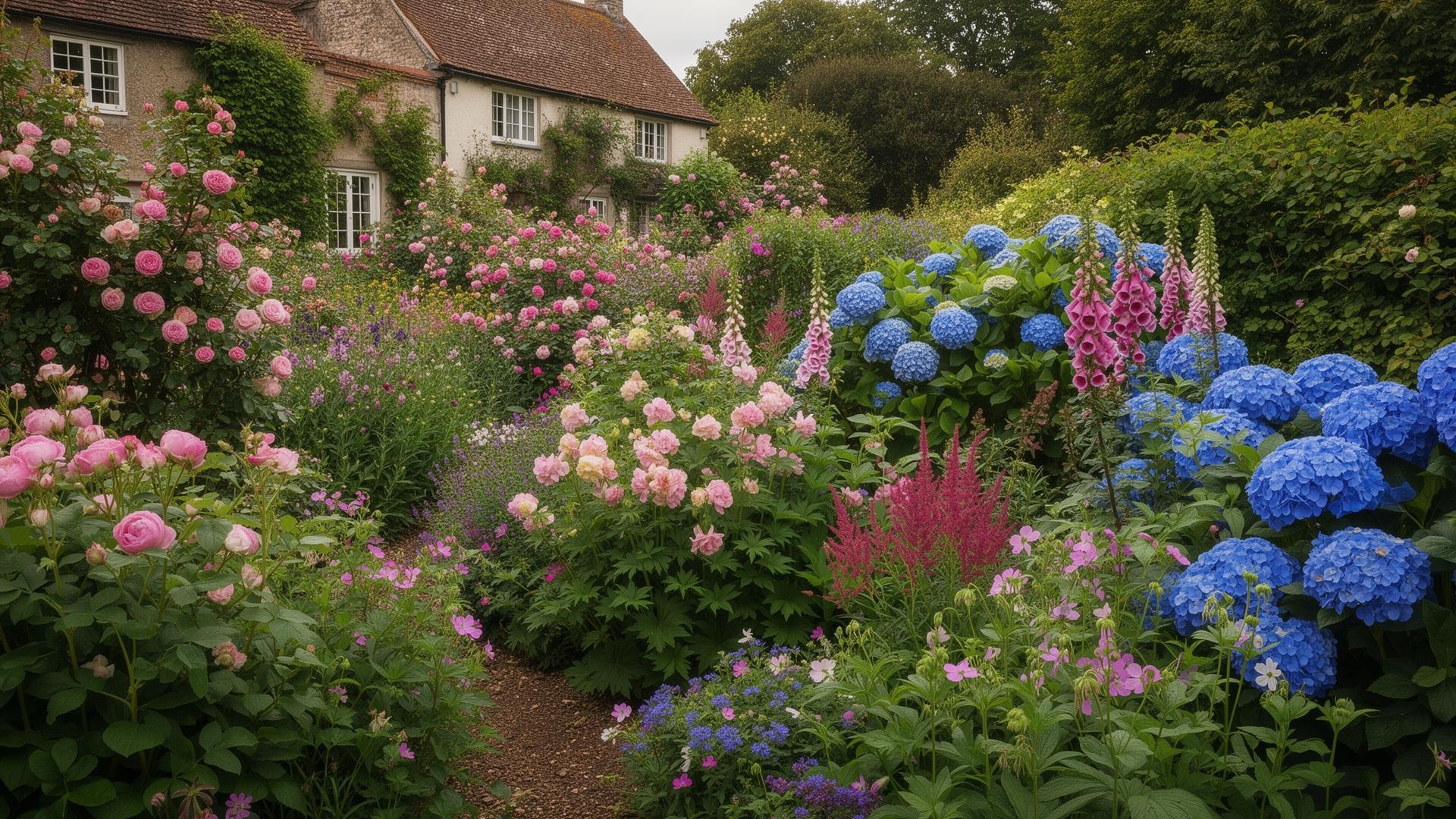
Roses adore clay soil. The myth that roses are difficult is mostly a myth — give a rose a generous hole in heavy soil with a handful of well-rotted manure and it will perform for decades. Clay holds the steady moisture and nutrients roses crave. Shrub roses, climbing roses and English roses all do beautifully. If your garden is on clay, you should have at least one.
Hydrangea (Hydrangea macrophylla)
One of the most generous plants you can grow on clay. Hydrangeas love the moisture clay holds in summer, producing huge mophead or lacecap flowers from July to September. In acidic clay you will get blue flowers, in neutral or alkaline clay they turn pink or mauve — both are beautiful. Plant in part shade and they will reward you for years.
Weigela
An absolute workhorse for clay gardens. Weigela produces masses of pink, red or white tubular flowers in May and June, loved by bees. Completely tough, completely reliable, and almost impossible to kill once established. Many varieties also have attractive purple or variegated foliage that earns its place after the flowers fade.
Viburnum
A huge family of shrubs and almost all of them love clay. Viburnum gives you scented winter flowers, evergreen foliage, summer blooms or autumn berries depending on the variety. Few plants offer better value for the space they take up. A 'Viburnum tinus' will flower right through the winter on heavy soil where most other things have given up.
Dogwood (Cornus alba)
If your clay is on the wet side, dogwood is the perfect shrub. Grown for its brilliant red, orange or yellow winter stems, it tolerates damp ground that would rot most other shrubs. Cut it back hard in early spring for the brightest stem colour the following winter.
Best perennial plants for clay soil
These are the plants that come back year after year, getting bigger and better each season. On clay they grow with real vigour — often much faster than they would on free-draining soil.
Hardy Geranium (Geranium 'Rozanne')
One of the very best perennials for clay. Hardy geraniums spread happily into a weed-suppressing carpet, flower for months on end, and shrug off heavy soil completely. 'Rozanne' produces vivid blue-purple flowers from May to October — almost half the year of colour from a single plant.
Japanese Anemone (Anemone x hybrida)
Tailor-made for clay gardens. Japanese anemones bring elegant pink or white flowers on tall stems from August through October — exactly when most gardens are flagging. They handle clay and part shade beautifully, and gradually spread to fill space. Cut back in late winter and they reappear bigger every year.
Astilbe
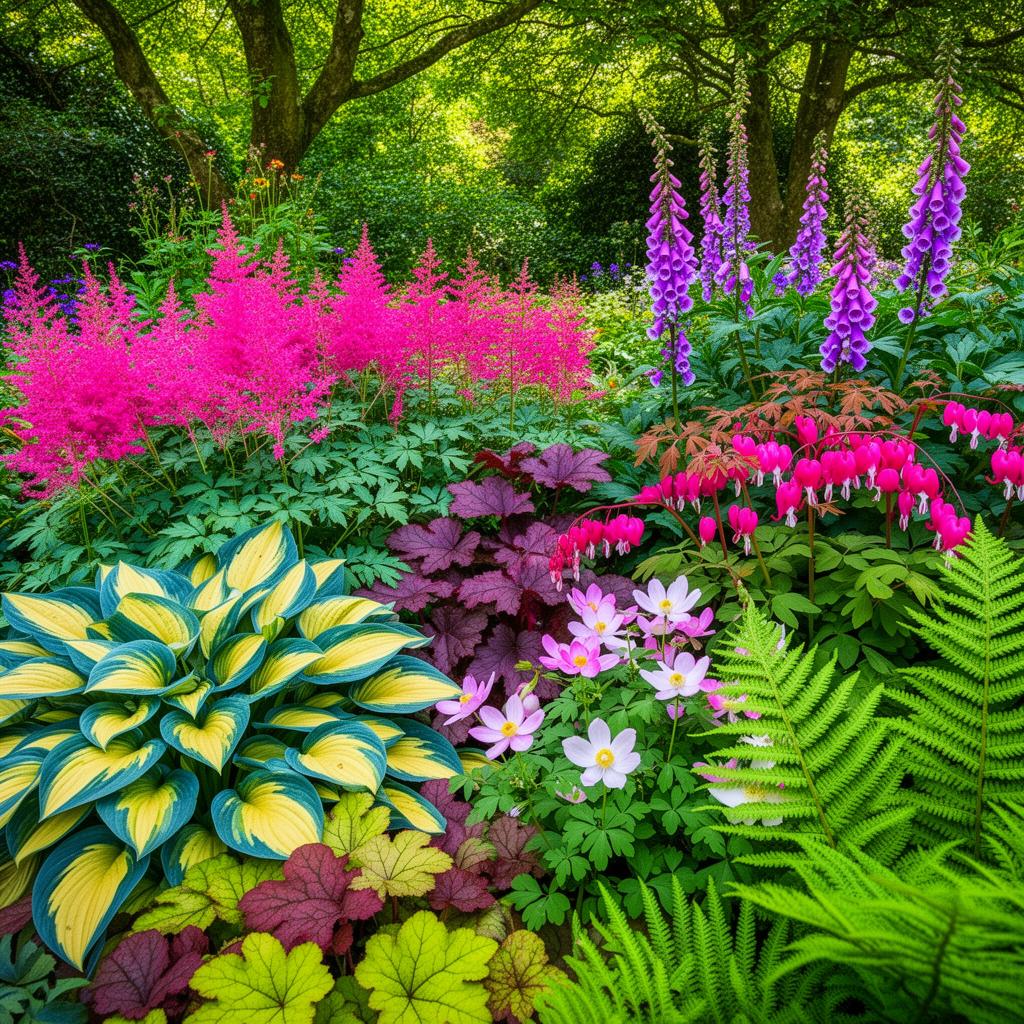
If your clay is damp and shaded, astilbe is one of the few plants that will genuinely thrive there. Feathery pink, red or white plumes rise above ferny foliage in June and July. Avoid hot dry sites and you cannot really go wrong.
Rudbeckia (Rudbeckia fulgida)
A late-summer hero on clay. Rudbeckia produces cheerful golden-yellow daisies from July through September with almost no attention. Loved by bees, and the seedheads feed birds well into winter. One of the best value plants you can buy.
Helenium
Rich orange, red and copper daisy flowers from July to September. Helenium loves the moisture clay holds in summer and brings warm prairie-style colour to a border for months. Cut back hard after flowering and lift and divide every few years to keep it vigorous.
Persicaria
An underrated plant that thrives on heavy soil. Persicaria produces slim spikes of pink or red flowers from June through October, and the foliage stays tidy and weed-suppressing all season. Almost no maintenance once planted.
Lady's Mantle (Alchemilla mollis)
A classic clay-soil plant. Lady's mantle forms soft mounds of scalloped foliage topped with frothy lime-green flowers in June and July. Self-seeds gently to fill gaps. Looks particularly lovely after rain when each leaf holds a perfect bead of water.
Hosta
If you have shaded clay, hostas are unmatched. Their bold sculptural leaves come in blues, greens, golds and variegated forms, and they grow far larger on rich heavy soil than they ever do on sand. Mulch in spring and watch them double in size by midsummer.
Flowers for clay soil — cottage garden favourites
Many of the classic cottage garden plants are clay lovers — which is why traditional English gardens look the way they do. The soil shaped the planting style, not the other way around.
Foxglove (Digitalis purpurea)
Tall pink, white or purple spires in June and July. Foxgloves self-seed freely on heavy soil and look stunning at the back of a clay border. Biennial — they flower in their second year — but once you have them you will always have them.
Aquilegia (Aquilegia vulgaris)
Delicate cottage flowers in May and June in an extraordinary range of colours. Aquilegia is almost indestructible on clay and self-seeds gently to fill spaces between bigger plants.
Bulbs that thrive in heavy clay
Bulbs are sometimes assumed to hate heavy soil, but plenty are perfectly happy in clay as long as you avoid the boggiest spots.
Plants to avoid on clay
Some plants will simply not thrive on heavy wet soil, and trying to force them is heartbreaking. Save your money and your border space for things that will love the conditions instead.
- Lavender — the queen of free-draining gravelly soils. On clay it usually rots out within a year or two unless you build a raised bed of grit and sand for it.
- Rosemary, thyme, sage and most other Mediterranean herbs — same story. They want sharp drainage, not damp clay.
- Most silver-leaved plants — silver foliage is usually a sign of a drought-adapted plant that resents winter wet.
- Bearded iris — needs the rhizomes baked dry by sun. Almost never thrives on heavy soil.
- Tulips planted permanently — they tend to rot out after one or two years on clay. Treat them as annuals or grow them in pots of free-draining compost instead.
Three small changes that transform clay
You do not need to do anything drastic to make clay easier to garden on. Three simple habits make a huge difference within a single season.
1. Mulch every year
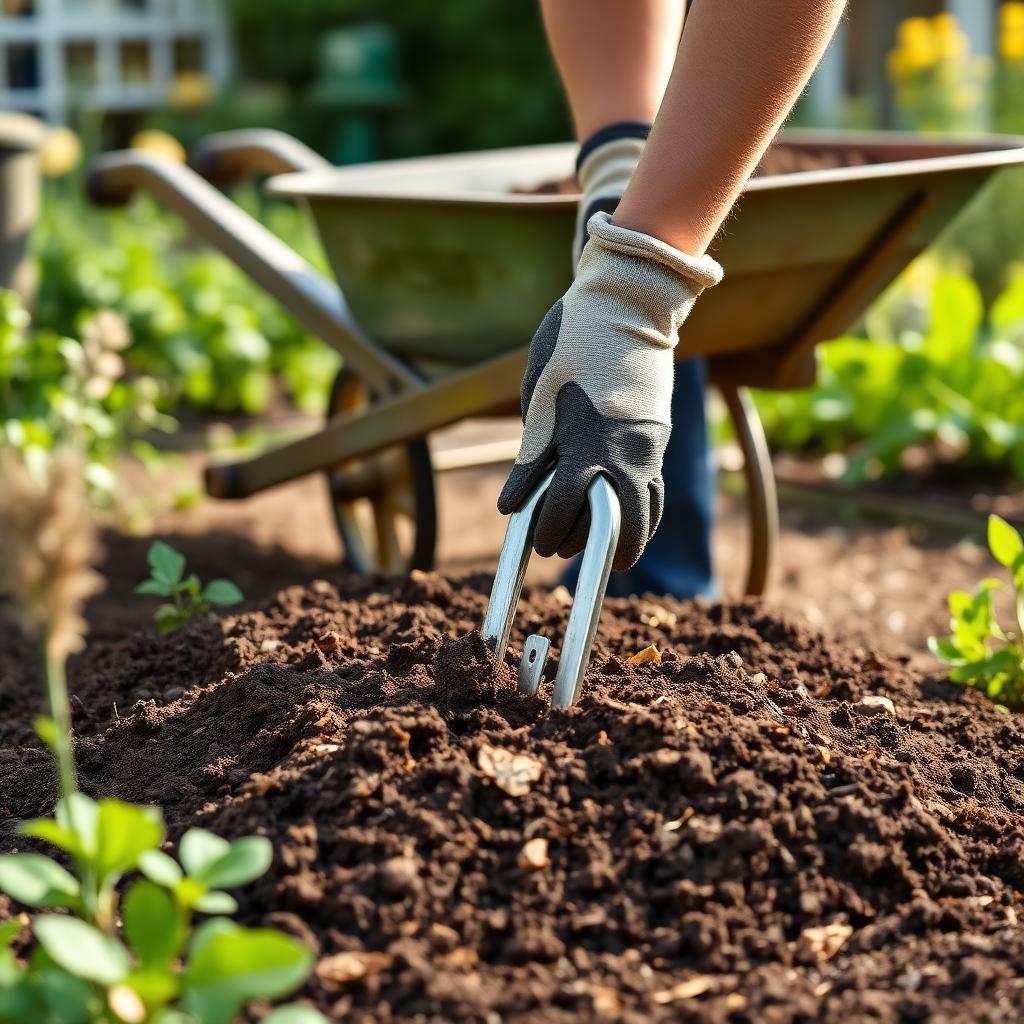
A 5cm layer of well-rotted manure, garden compost or leaf mould spread on top of the soil in autumn or early spring is the single most powerful thing you can do. Worms drag it down, the structure improves, and within two or three years your clay starts to behave like a much friendlier soil.
2. Never walk on wet clay
Walking on wet clay compacts it and squeezes the air out, which is exactly what plant roots need. Stay off the borders when the soil is wet and use stepping stones in any area you cross regularly.
3. Plant in spring or autumn — not summer
Clay is at its kindest in March, April, September and October — moist enough to dig, warm enough to root into. Avoid planting in the heat of summer when clay sets like concrete, or in midwinter when it is sodden.
How to plant on clay properly
Most plant failures on clay come down to planting technique. The plant arrives in lovely fluffy compost from the nursery, you dig a small hole in your sticky soil, drop it in, and the roots refuse to leave the cosy compost-filled pocket. The plant then sits there sulking for a year and eventually dies.
- Dig a hole at least twice as wide as the pot — much wider than you think.
- Loosen the sides and bottom of the hole with a fork so roots can escape into the surrounding soil.
- Tease the roots out of the rootball before planting, so they are pointing outwards into the clay rather than circling.
- Mix a generous handful of well-rotted compost or manure into the soil you put back in the hole.
- Water in really thoroughly — even if it has just rained — to settle the soil around the roots and remove air pockets.
- Mulch the surface to lock in moisture and prevent the surface baking hard.
Frequently asked questions about planting in clay soil
What is the best plant for heavy clay soil in the UK?
For most UK gardens, hardy geranium 'Rozanne' is the single best all-rounder — it flowers from May to October, thrives in heavy clay, suppresses weeds and asks for almost nothing in return. If you want a shrub instead, a rose or a hydrangea will outperform almost anything else on clay.
What plants grow in clay soil with poor drainage?
For wet, badly-drained clay, choose dogwood (Cornus alba), astilbe, hydrangea, Japanese anemone, persicaria, hosta and camassia. Viburnum tinus and weigela also cope well. Avoid Mediterranean plants, bearded iris and most silver-leaved plants — they will rot within a season.
What evergreen shrubs grow in clay soil with poor drainage?
Viburnum tinus is the standout evergreen for wet clay — it flowers right through winter and tolerates conditions most evergreens hate. Other reliable choices include skimmia, mahonia, hardy hebes (in milder areas), and Portuguese laurel for larger spaces.
Do roses really grow well in clay soil?
Yes — clay is one of the best soils for roses. The steady moisture and rich nutrients are exactly what they need. Dig a generous hole, mix in well-rotted manure, plant slightly deeper than the pot was, and water in thoroughly. A rose planted properly in clay will outperform the same rose on sandy soil every time.
How do I improve heavy clay soil without digging?
Mulch every autumn or early spring with a 5cm layer of well-rotted manure, garden compost or leaf mould. Worms drag the organic matter down into the clay and the structure improves year after year. Within two or three seasons your clay will dig, drain and plant far more easily — with no digging required.
When is the best time to plant in clay soil?
March to early May, and September to mid-October. The soil is moist but workable, warm enough to root into, and not yet baked hard or waterlogged. Avoid planting in midsummer when clay sets like concrete, and avoid midwinter when it is sodden — both make establishment much harder.
What are the worst plants for clay soil?
Lavender, rosemary, thyme, sage and most other Mediterranean herbs hate wet clay and usually rot out within a season or two. Bearded iris, silver-leaved plants like artemisia, and tulips planted permanently are also poor choices. If you love any of these, grow them in pots of free-draining compost or in a dedicated raised bed of grit and sand.
A clay garden is a great garden
Once you stop fighting your soil and start working with it, clay turns from a curse into one of the best things about your garden. The plants in this guide will grow lush, full and reliable — the kind of cottage-style abundance that gardeners on sandy soil have to work much harder to achieve.
If you would like more inspiration, browse our full plant library — every plant lists the soil types it thrives on, so you can filter to plants that suit your conditions instead of guessing.