May is the most exciting month in the UK gardening calendar. The risk of frost has largely passed in most parts of the country, the soil is warming up beautifully and garden centres are absolutely bursting with the best choice of the entire year. If you are going to do one big planting push all year this is the month to do it.
But with so much available it can feel genuinely overwhelming. Walk into any garden centre in May and the sheer number of plants on display can leave you paralysed with indecision — or worse, tempted into buying things that look beautiful right now but leave your garden bare by September.
This guide cuts through the confusion. Here is exactly what to buy in May, why each plant is worth your money and how to get the best from them in a UK garden.
Why May is the best month to plant
May sits in a sweet spot that no other month can match. The last frost date has passed for most of England, Wales and the Midlands — though northern gardeners and those in Scotland should wait until mid-May to be safe with tender plants. The soil has warmed up enough for roots to establish quickly. And there are still four to five months of growing season ahead before the first autumn frosts arrive.
A plant bought and planted in May has the entire summer ahead of it. It will establish its root system, bulk up, flower and give you a full season of colour before winter arrives. Buy the same plant in August and you get a fraction of that value.
There is also a practical reason to plant in May — water. Spring rain keeps the soil moist and reduces the need for constant watering after planting. Establish a plant in May and by summer it has the root system to cope with drier conditions far better than something planted when the heat is already intense.
Hardy perennials — the best investment you can make this month
Hardy perennials are the backbone of any good UK garden. Plant them once and they come back every year — bigger, better and more impressive each time. May is the perfect month to plant them and the range available right now is the best it will be all year.
Geranium 'Rozanne'
If you buy just one plant this May make it Geranium Rozanne. This extraordinary hardy geranium produces vivid blue-purple flowers from May right through to October — one of the longest flowering seasons of any perennial available. It spreads gently to fill space, thrives in sun or partial shade and is completely low maintenance. Cut it back hard in midsummer if it gets leggy and it will reflower with renewed vigour within weeks. An RHS Award of Garden Merit winner and one of the best selling plants in the UK for good reason.
Salvia nemorosa 'Caradonna'
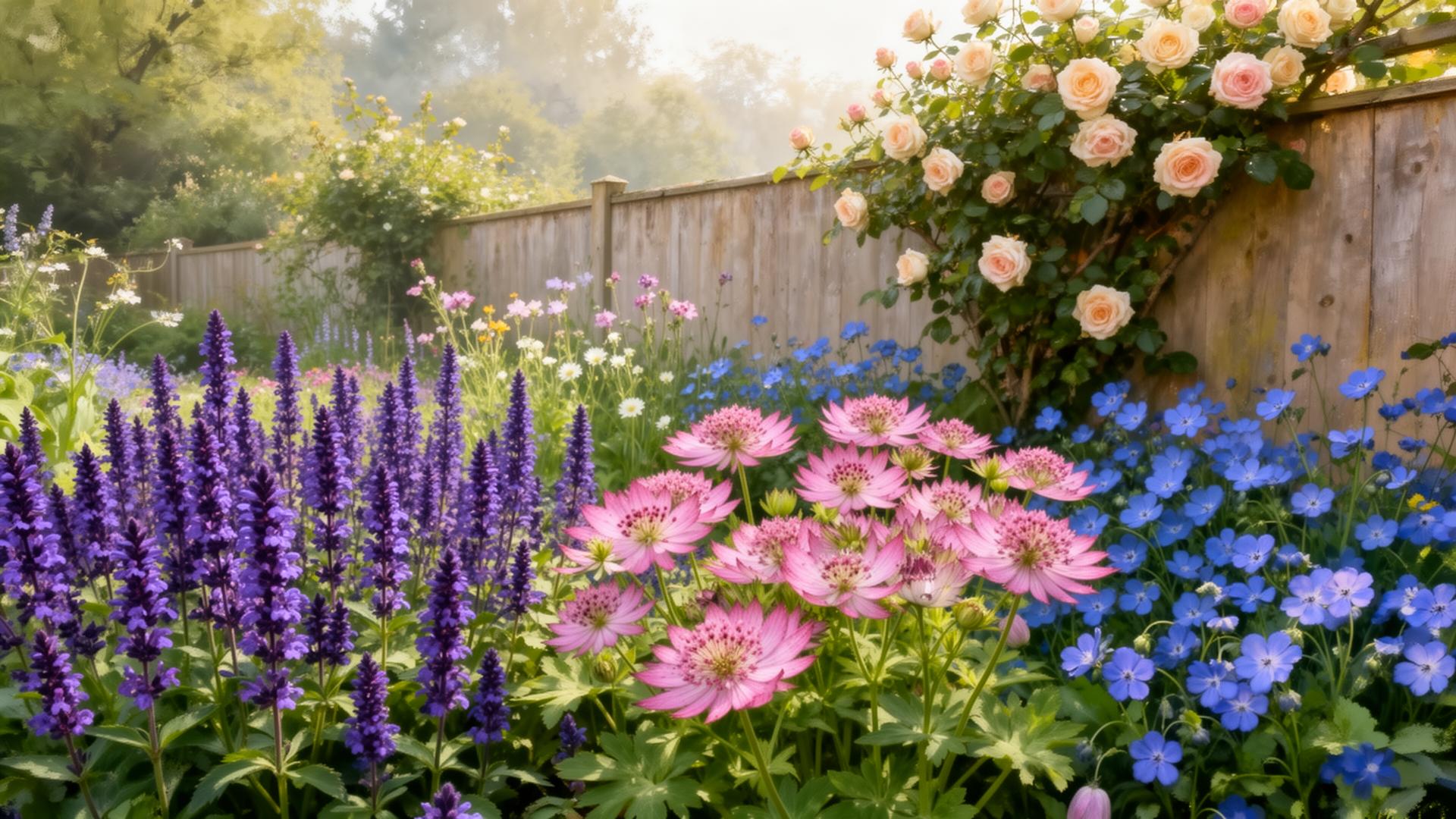
Deep purple flower spikes on upright stems from June through August. One of the most striking salvias for a sunny border. Bees visit it constantly from the moment it opens. Trim lightly after the first flush of flowers fades and it will produce a second flowering in late summer. Completely drought tolerant once established. Pairs beautifully with roses, alliums and ornamental grasses.
Astrantia major
An underused gem that deserves far more attention. Astrantia produces intricate star-shaped flowers in pink, white, red and deep burgundy from May through July. Thrives in partial shade and clay soil — two conditions that many UK gardens have in abundance. Makes a beautiful cut flower and self-seeds gently to gradually fill a border without becoming invasive. If you have a shady spot that needs bringing to life astrantia is one of the very best solutions available.
Echinacea purpurea
Pink, purple and white daisy flowers from July to September. Echinacea is drought tolerant, loved by bees and butterflies, and the seedheads that follow provide food for birds through autumn and winter. Plant in a sunny spot and leave it entirely alone — echinacea actively dislikes being fussed over. Gets dramatically better every year as the clumps establish and expand.
Penstemon
One of the longest flowering perennials you can grow in a UK garden. Tubular flowers in pink, purple, red and white from June right through to the first frosts — sometimes flowering into November in sheltered southern gardens. Slightly tender in very cold northern winters but easily replaced from cuttings or treated as a short-lived perennial. The range available in May is extraordinary — spend time choosing colours that work with your existing planting.
Roses — plant now for a full first season
May is an excellent time to plant container-grown roses. They establish quickly in the warming soil and if planted now will flower this summer rather than waiting until next year.
Shrub roses
Shrub roses are the workhorses of the UK garden — tough, generous with their flowers and increasingly available in disease-resistant varieties that need minimal spraying. Look for varieties labelled as repeat flowering — these will produce flowers from June through to October rather than just once in early summer. David Austin shrub roses are available everywhere in May and the range is outstanding. Feed with a specialist rose fertiliser when you plant and again in midsummer.
Climbing roses
May is the ideal time to plant a climbing rose against a wall or fence. Choose a repeat flowering variety for the best value — Gertrude Jekyll, Zephirine Drouhin and The Generous Gardener are all outstanding choices that will reward you with flowers from June to October. Plant deeply, water in well and be patient — climbing roses often take a year or two to really get going but once established they are spectacular.
Ground cover roses
Underplanted and underappreciated. A good ground cover rose planted in May will spread to cover a metre or more by summer, producing sheets of flowers from June to autumn. Ideal for banks, slopes or any area where you want colour without maintenance. Completely self-sufficient once established.
Summer bulbs — last chance to plant
Some summer bulbs need to go in the ground in May to guarantee flowers this season. Do not leave these any later.
Dahlia tubers
May is the last sensible month to plant dahlia tubers in most parts of the UK. Plant now and they will produce non-stop flowers from July right through to the first frosts — an extraordinary season of colour. Available in virtually every colour except blue. Plant in a sunny spot in well-drained soil with the tuber about 10cm deep. Feed regularly through the growing season. In cold northern regions lift the tubers in autumn and store them frost-free over winter.
Gladiolus corms
Plant gladiolus corms now for spectacular spikes of flowers in August and September. Stagger plantings two weeks apart through May and early June for flowers over a longer period. Excellent as cut flowers — a single spike will last a week or more in a vase. Plant in full sun in well-drained soil. Lift and store the corms before the first frosts.
Lily bulbs
If you have not already planted lily bulbs this spring pot-grown lilies are available in garden centres right now and will give you fragrant flowers from June through August. Oriental lilies have the most intense fragrance — extraordinary on a warm summer evening. Asiatic lilies offer a wider colour range and flower slightly earlier. Both perform beautifully in large pots as well as borders.
Begonia tubers
Tuberous begonias can go out now the frost risk has passed. They produce an extraordinary quantity of flowers in vivid shades of orange, yellow, pink, red and white from July right through to October. Particularly good in containers and hanging baskets where their slightly trailing habit works beautifully.
Climbers — transform your fences and walls
May is the best month of the year to plant a climbing plant. The whole growing season is ahead and they establish quickly in the warm conditions.
Clematis
The most versatile climbing plant available and perfectly suited to UK conditions. Late-flowering clematis — Group 3 — are the easiest to manage as they are simply cut back hard every spring. They will produce their first flowers this summer if planted now. Choose your variety carefully — the range available in May is the widest of the year. All clematis prefer their roots in shade and their flowers in sun — plant a flat stone or a neighbouring plant to shade the root zone.
Honeysuckle
One of the great pleasures of a British summer — the drifting fragrance of honeysuckle on a warm evening. Plant now and it will establish quickly and flower this summer. Happy in sun or partial shade and loved by moths, bees and birds. Will cover a fence or wall rapidly once established.
Trachelospermum jasminoides
Also known as star jasmine, this beautiful evergreen climber produces intensely fragrant white flowers in July and August. Slightly less hardy than honeysuckle so best in a sheltered sunny spot — ideal against a south or west facing wall. The glossy evergreen foliage looks attractive all year round. More unusual than honeysuckle and well worth trying if you have a sheltered spot.
Bedding plants — instant colour for pots and borders
The risk of frost has now passed for most of southern and central England meaning tender bedding plants can go outside. Garden centres are full of them in May and used well they provide instant colour that lasts until the first autumn frosts.
Pelargoniums
The classic summer container plant. Pelargoniums are available in red, pink, white, salmon and purple. Flower continuously from now until the first frosts. Deadhead regularly to keep them at their best. Bring indoors before the first frost and they will overwinter happily on a sunny windowsill.
Fuchsias
Hardy and tender fuchsias are both available now. Hardy varieties can go in the ground permanently — they die back in winter and regrow in spring. Tender varieties are best in containers and brought in before frost. Both produce an extraordinary quantity of elegant pendant flowers through summer and autumn.
Calibrachoa
A relative newcomer that has become one of the best container plants available. Produces hundreds of tiny petunia-like flowers in an extraordinary range of colours from May right through to October. Self-cleaning — no deadheading required. Particularly good in hanging baskets where it cascades beautifully.
Verbena bonariensis
Tall airy stems topped with clusters of tiny purple flowers from June to October. Verbena bonariensis is one of the best plants for pollinators available — bees and butterflies love it. Self-seeds prolifically so once you have it in your garden it tends to return year after year. Works beautifully woven through other plants in a border.
Herbs — beautiful and useful
May is the perfect month to plant herbs. They establish quickly, look attractive through summer and give you something useful from the kitchen all season long.
Lavender
May is the ideal planting month for lavender. Plant now and it will flower this summer and establish its root system before winter. Plant in the sunniest spot you have in well-drained soil. Trim lightly after flowering. Will reward you for ten years or more with minimal attention.
Rosemary
An evergreen shrub that earns its space in any UK garden. Rosemary has aromatic foliage year round, blue flowers in spring and summer, and is completely drought tolerant once established. Buy a large plant in May for instant impact — small plants take a couple of years to bulk up. Particularly good trained against a wall in a sunny spot.
Allium schoenoprasum (Chives)
Often overlooked as an ornamental plant but chives produce beautiful round purple flowerheads in May and June that are genuinely attractive in a border. The foliage is useful in the kitchen all summer. Self-seeds gently and divides easily in autumn to produce more plants for free.
What NOT to plant yet in May
Equally important as knowing what to plant is knowing what to wait for. In northern England and Scotland the last frost date can extend into mid to late May — check your local forecast before planting anything tender.
Plants to wait on in colder regions until mid to late May or early June:
- Courgettes and other tender vegetables
- Outdoor tomatoes — wait until June in northern gardens
- Dahlias — in Scotland wait until late May at the earliest
- Any tender exotics you have been hardening off indoors
Making the most of your May planting
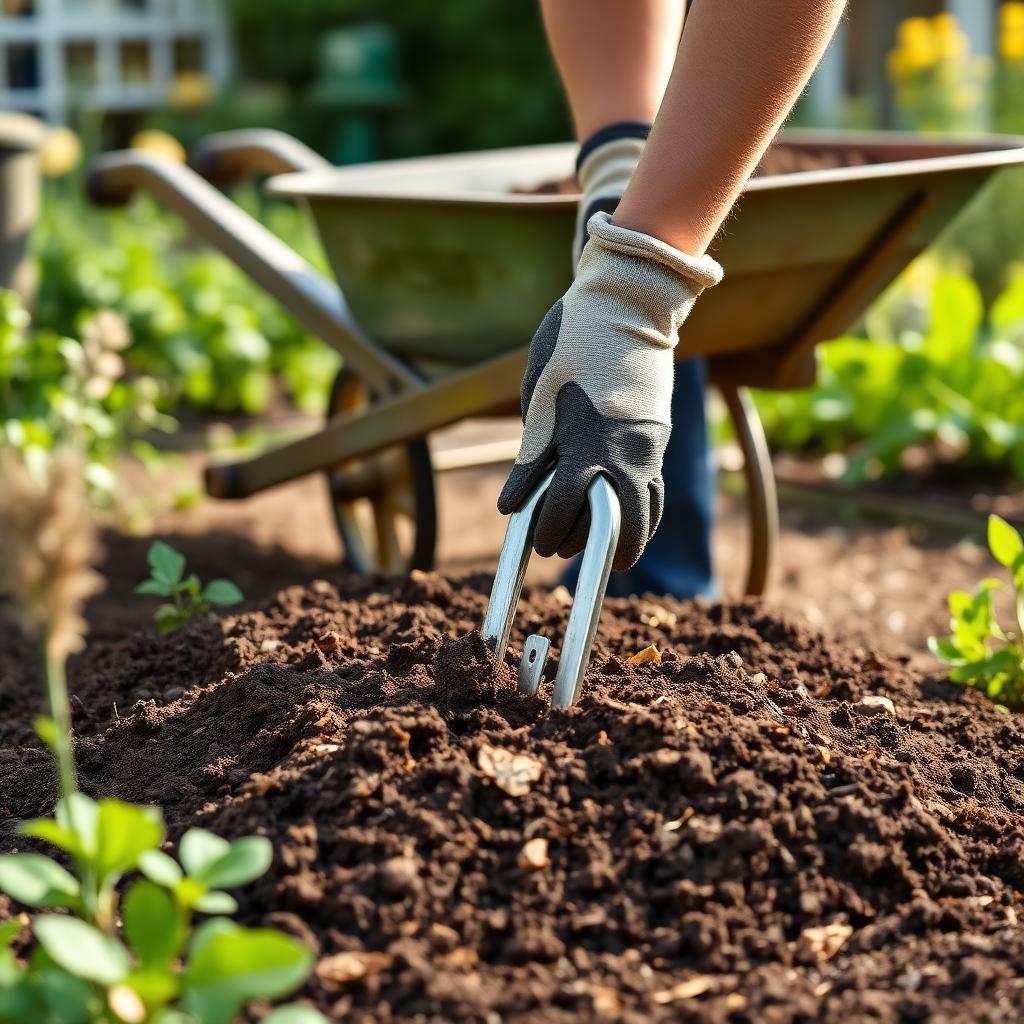
Prepare the soil before you plant. Even a handful of well-rotted compost dug into the planting hole makes a significant difference to how quickly a plant establishes. A slow-release fertiliser added at planting time feeds the roots gently through the whole growing season.
Water in thoroughly after planting. Even if rain is forecast water every new plant in immediately after planting. This settles the soil around the roots and removes any air pockets that could dry out and damage new root growth.
Plant in the evening or on a cloudy day. Planting in hot sunshine stresses new plants. Evening planting gives them the whole night to settle in before the heat of the following day.
Label everything. Hardy perennials in particular disappear underground in winter and it is surprisingly easy to forget what you planted and where. A simple plastic label saves enormous confusion when things start emerging in spring.
Give plants room to grow. It is tempting to plant closely together for an instant full effect but overcrowded plants compete for water and nutrients and rarely perform as well as those given adequate space. Check the eventual spread on the label and plant accordingly.
Not sure what to plant in YOUR specific garden?
Every garden is different. What thrives in a sunny south-facing border in Surrey will struggle in a shady north-facing garden in Yorkshire. The plants that love sandy free-draining soil will perform completely differently in heavy clay. And plants that suit a large country garden may be completely wrong for a small urban patio.
That is exactly why we built Garden Colour Plan. Answer eight simple questions about your garden — your location, soil type, how sunny it is, your favourite colours and how much time you want to spend gardening — and we will give you a personalised planting plan with exactly the right plants for your specific conditions, giving you colour in every single month of the year. It takes 60 seconds and it is completely free. You can also browse our full plant library of UK garden plants — each one with flowering times, growing conditions and direct links to buy from trusted UK retailers.
New to the site? Head to the Garden Colour Plan home page to see how it all works, or jump straight into your free personalised plan below.