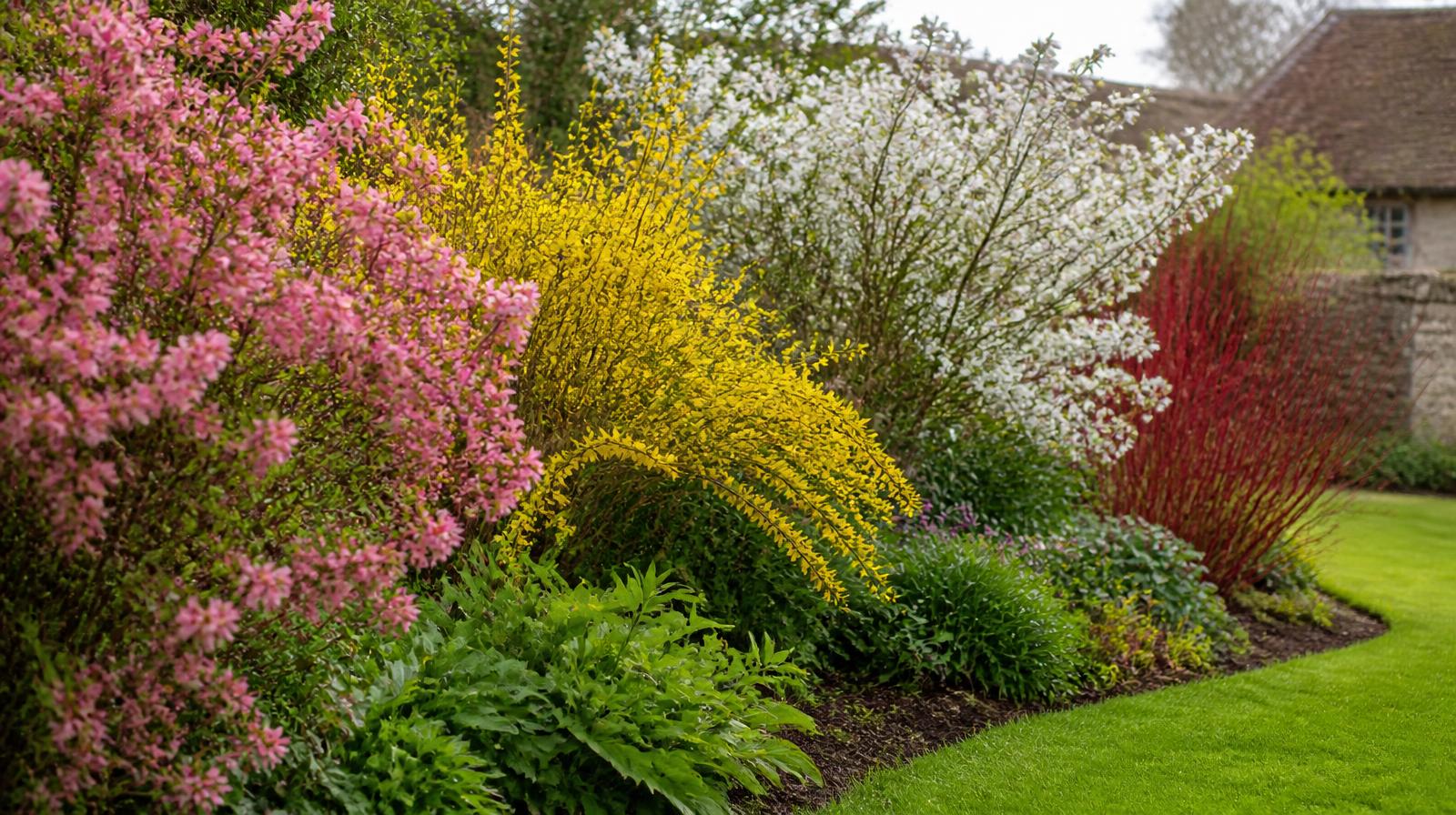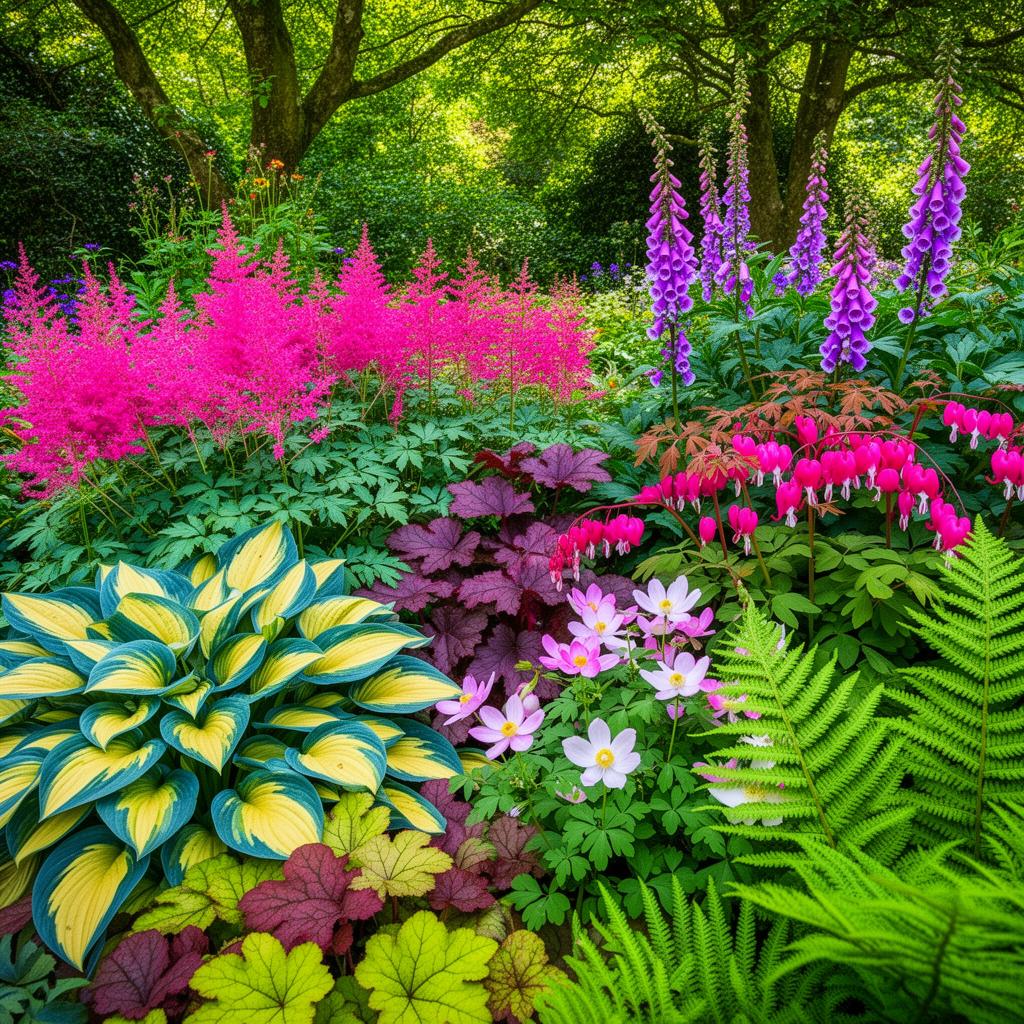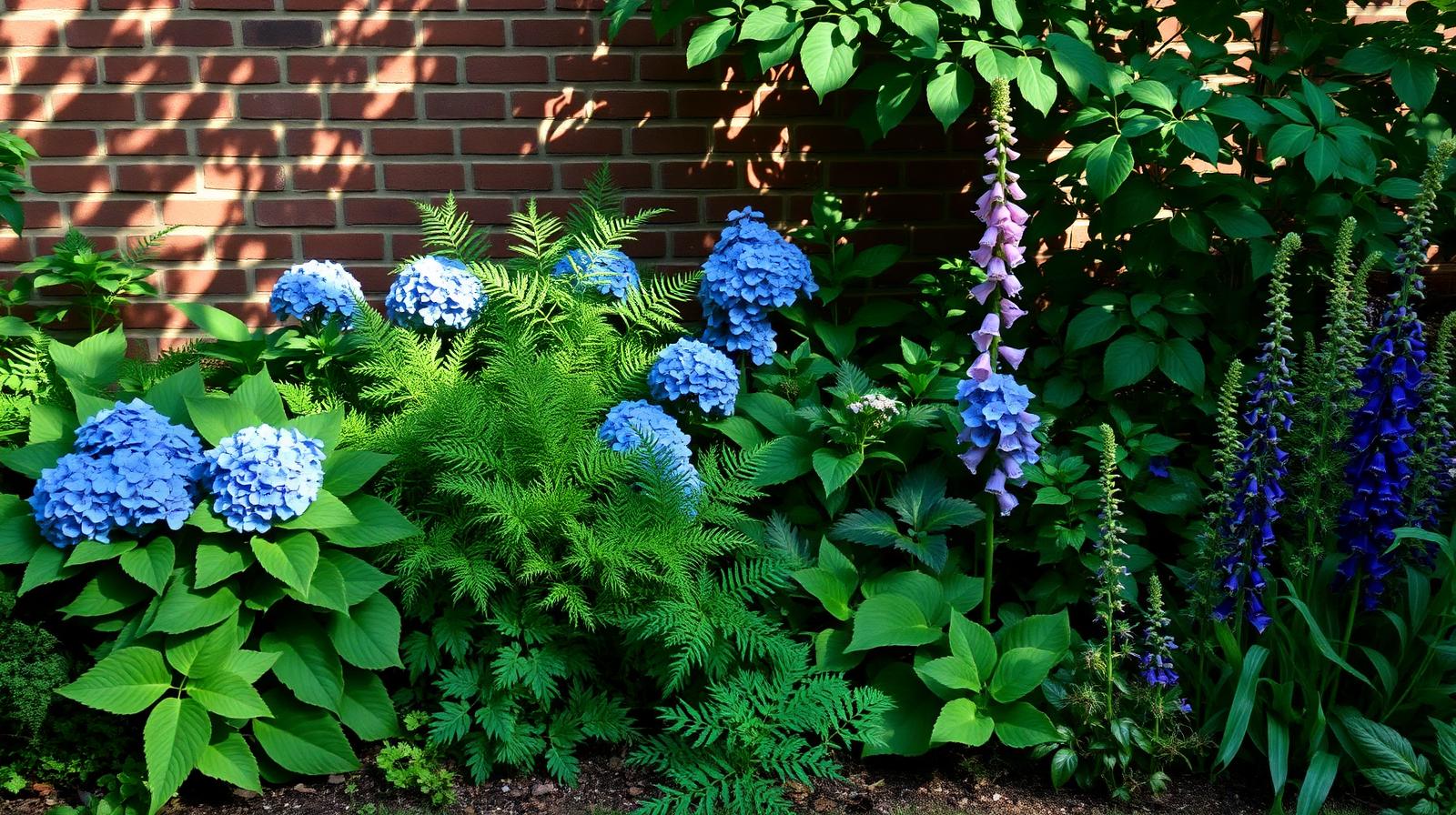
A north-facing garden is not a problem. It is simply a different set of conditions — and once you know which plants genuinely thrive in shade and limited light, you can create something beautiful, lush and full of colour throughout the year.
This guide covers the best plants for north-facing gardens in the UK, what to expect from a north-facing aspect, and how to plan for colour in every single month.
What does north-facing actually mean for your garden?
A north-facing garden receives little or no direct sunlight for most of the year. In the UK, the sun travels across the southern sky — so a garden facing north is effectively in the shade cast by your house or boundary wall for much of the day.
This does not mean your garden is dark and gloomy. It means:
- Morning and evening light may reach the edges of the garden in summer
- Temperatures are cooler and more consistent — useful for moisture-loving plants
- Soil stays damp longer — which suits a wide range of perennials and shrubs
- Slugs and vine weevil can be more of a problem in consistently damp conditions — something to watch for
The biggest mistake people make with north-facing gardens is planting sun-lovers that will simply sit there and sulk. Choose the right plants from the start and you will not miss the sun at all.
The 12 best plants for north-facing gardens in the UK
1. Hydrangea (Hydrangea macrophylla)
Hydrangeas are one of the finest choices for a north-facing garden. They positively prefer a position out of harsh afternoon sun, which can scorch their large blooms. In a north-facing spot, the flowers last far longer — sometimes from June all the way through to October.
Choose mophead varieties for bold colour, or lacecap types for a more delicate, natural look. Blues and purples tend to be most vivid in acid soil; pinks and reds come through in more alkaline conditions.
Height: 1–2 metres | Flowers: June to October | Maintenance: Low
2. Foxglove (Digitalis purpurea)
Foxgloves are a classic British cottage garden plant that actually prefers dappled shade. They produce dramatic spires of purple, pink, white or cream flowers in June and July and self-seed freely, meaning once you plant them once, they tend to keep coming back year after year.
They are perfect against a north-facing fence or wall, where their vertical height adds real drama without needing any direct sun to perform.
Height: 1–1.5 metres | Flowers: June to July | Maintenance: Low | Wildlife: Excellent for bumblebees
3. Astrantia (Astrantia major)
Astrantia is one of the most underrated plants for shady gardens. The intricate, papery flowers in shades of white, pink and deep burgundy appear from May to August and look beautiful cut for the vase as well as in the border.
It thrives in moist, humus-rich soil — exactly the kind of conditions a north-facing border tends to provide naturally. Once established it is extremely low maintenance and spreads gently to form good-sized clumps.
Height: 60–90 cm | Flowers: May to August | Maintenance: Low
4. Hostas (Hosta)
Hostas are the kings and queens of the shade garden. Grown primarily for their spectacular foliage — in shades of deep green, blue-green, golden yellow and variegated white — they bring texture and interest from spring right through to autumn.
In a north-facing garden, hostas are in their element. They dislike afternoon sun, which scorches and bleaches their leaves. Position them in your shadiest spots and they will reward you with increasingly impressive clumps each year.
Height: 30–70 cm | Interest: April to October | Maintenance: Low to moderate
5. Bleeding Heart (Lamprocapnos spectabilis)
One of the most eye-catching spring plants for shade, Bleeding Heart produces arching stems hung with perfectly heart-shaped flowers in deep rose-pink and white during April and May. It looks almost too decorative to be real.
It dies back completely in summer, so pair it with hostas or ferns that will fill the gap it leaves. In a north-facing border this timing works perfectly — the cooler, moister conditions help it last longer before it goes dormant.
Height: 60–90 cm | Flowers: April to May | Maintenance: Low
6. Ferns (Various)
Ferns are the ultimate north-facing garden plant. They ask for nothing more than shade and moisture and in return they provide lush, architectural foliage from spring through autumn. Some, including the Hart's Tongue Fern (Asplenium scolopendrium) and Soft Shield Fern (Polystichum setiferum), are fully evergreen — providing green structure through winter too.
Use ferns to fill the gaps between flowering plants and to create a sense of depth and fullness in borders that might otherwise look bare.
Height: 30–90 cm depending on variety | Interest: Year-round (evergreen varieties) | Maintenance: Very low
7. Japanese Anemone (Anemone × hybrida)
Japanese Anemones are one of the best late-season performers for shady gardens. They flower from August right through to October — a time when many gardens are beginning to look tired — with elegant single flowers on tall, wiry stems in shades of pink and white.
They spread steadily once established and are almost entirely maintenance-free. Plant them at the back of a north-facing border and they will reliably deliver late colour year after year.
Height: 60–120 cm | Flowers: August to October | Maintenance: Very low
8. Camellias (Camellia japonica)
Camellias are spectacular early-flowering shrubs that are perfectly suited to north or east-facing walls and fences. Their glossy, dark evergreen foliage looks smart year-round, and in February, March and April they produce an explosion of flowers in shades of deep red, pink, white and candy stripe.
One important note: avoid east-facing walls if frost is a risk, as morning sun on frosted buds can damage them. A north-facing wall actually protects buds from this problem.
Height: 1.5–3 metres | Flowers: February to April | Maintenance: Low | Evergreen: Yes
9. Snowdrops (Galanthus nivalis)
Snowdrops are among the first flowers to appear in the entire gardening year, pushing through in January and February when almost nothing else is flowering. They naturalise beautifully under trees and in shaded borders, spreading year on year to form larger and larger drifts.
Plant them in autumn as dry bulbs, or buy them "in the green" (already growing) in late winter for the best results.
Height: 10–15 cm | Flowers: January to February | Maintenance: Zero once established
10. Mahonia (Mahonia aquifolium)
Mahonia is a tough, architectural evergreen shrub that does something remarkable — it flowers in midwinter. From November through to February, it produces spikes of bright yellow, sweetly fragrant flowers, followed by clusters of deep blue-purple berries loved by birds.
The spiny, holly-like foliage turns bronze-red in winter sun, adding further interest. It will grow in quite deep shade and almost any soil, making it one of the most reliable structural plants for a difficult north-facing spot.
Height: 1–1.5 metres | Flowers: November to February | Maintenance: Very low | Evergreen: Yes
11. Heuchera (Heuchera)
Heucheras are grown for their stunning foliage rather than their flowers — and in a north-facing garden, they earn their place every single day of the year. The leaves come in extraordinary colours: deep burgundy, copper-bronze, lime green, silver and caramel. They hold their colour through winter and look bold against bare soil when little else is growing.
Small, delicate flower spikes appear in early summer, adding a bonus flush of interest. They are evergreen, low-maintenance and look excellent in pots as well as borders.
Height: 30–45 cm | Interest: Year-round | Maintenance: Low | Evergreen: Yes
12. Climbing Hydrangea (Hydrangea anomala subsp. petiolaris)
If you have a north-facing wall or fence that feels bare and unloved, the Climbing Hydrangea is the answer. It is self-clinging, meaning it attaches itself to walls without needing wires or trellis, and it is one of the very few climbing plants that genuinely thrives in full shade.
It is slow to establish — expect two or three years before it really gets going — but once it does, it covers large areas with beautiful flat-topped white flowers in June and July, followed by attractive peeling bark that looks good through winter.
Height: Up to 10–12 metres | Flowers: June to July | Maintenance: Low once established
Month-by-month colour plan for a north-facing garden
Here is how the plants above can give you colour and interest every month of the year:
| Month | What to enjoy |
|---|---|
| January | Mahonia flowers, Snowdrops beginning |
| February | Snowdrops in full flower, Camellias budding, Mahonia continuing |
| March | Camellias at their peak, Heuchera foliage looking bold |
| April | Bleeding Heart flowering, Camellias fading, Hostas emerging |
| May | Astrantia beginning, Foxgloves budding, Ferns unfurling |
| June | Foxgloves at peak, Hydrangea beginning, Climbing Hydrangea flowering |
| July | Hydrangeas full, Astrantia continuing, Foxgloves self-seeding |
| August | Japanese Anemone beginning, Hydrangeas continuing |
| September | Japanese Anemone at peak, Heuchera foliage rich and warm |
| October | Japanese Anemone finishing, Mahonia preparing to flower |
| November | Mahonia flowers opening, Evergreen structure from Heuchera and Ferns, Hostas dying back |
| December | Mahonia, evergreen foliage, structure from Camellia |
Tips for making the most of a north-facing garden
Improve the soil before you plant
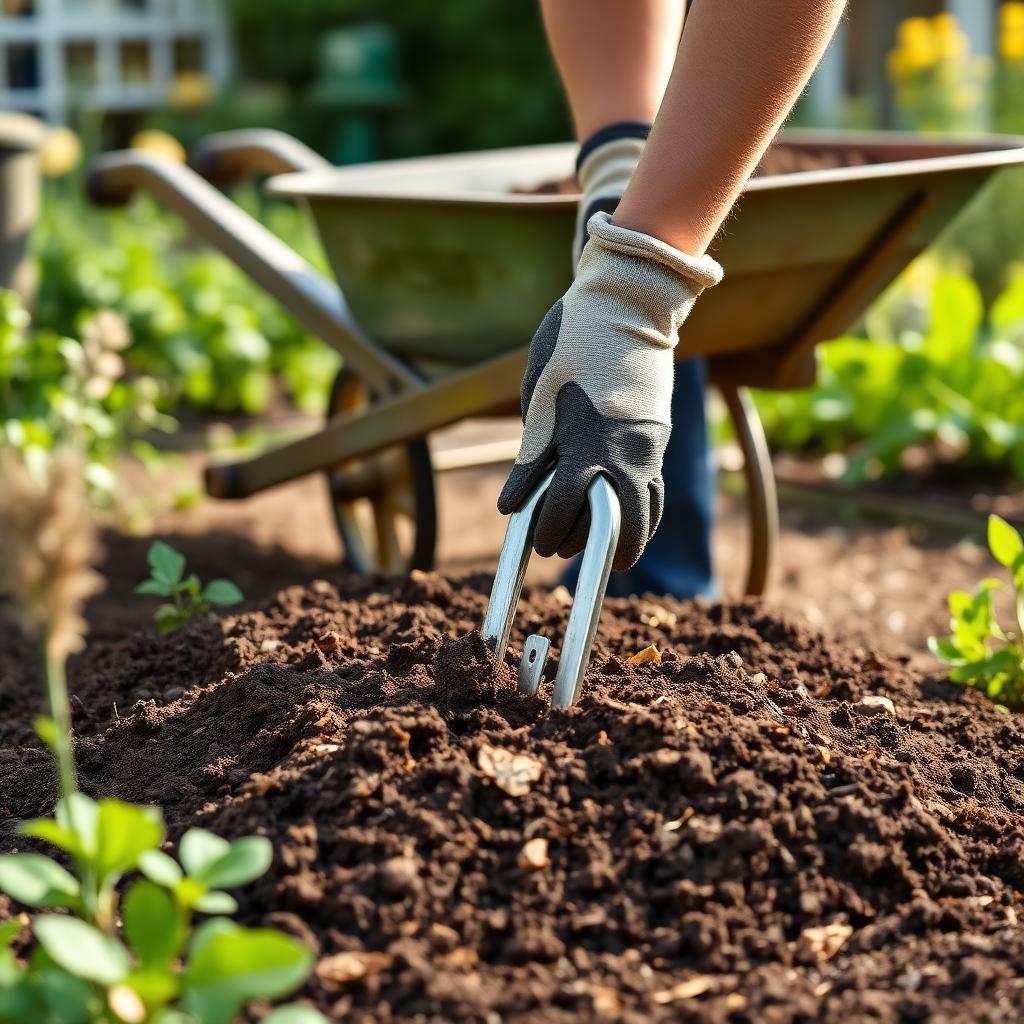
North-facing borders often have compacted, occasionally waterlogged soil. Dig in plenty of well-rotted compost or leaf mould before planting to improve drainage and add nutrients.
Use pale colours to brighten the space
Whites, creams, pale pinks and lime greens reflect available light and make shaded gardens feel much brighter. Deep purples and reds can disappear into the shade.
Add mirrors or pale walls
A white-painted fence or wall behind a north-facing border bounces light back into the garden and can make a significant difference to how bright the space feels.
Watch for slugs
Moist, shaded conditions are slug territory. Use wildlife-friendly pellets or copper tape, particularly around hostas and young plants in spring.
Do not give up on pots
Containers can be moved to catch whatever light is available in summer. Hostas, heucheras and ferns all do beautifully in pots in a shaded courtyard or north-facing patio.
Get a personalised plan for your north-facing garden
Not sure which of these plants are right for your specific soil, garden size and preferences? Our free planner takes all of that into account.
Answer 8 simple questions about your garden and get a personalised year-round colour plan — including the exact plants that will thrive in your conditions, with colour in every single month.