If your garden is built on heavy clay, choosing the right shrubs is one of the quickest ways to turn a soggy, difficult border into a structured, year-round display. The good news is that many of the UK's finest shrubs are perfectly happy on clay — they don't need perfect drainage, they cope with winter wet, and once established they often need very little maintenance.
This guide covers the best shrubs for clay soil in UK gardens, picked for different seasons, sizes, and situations. Whether you need evergreen backbone, wildlife value, scented winter flowers, or a burst of summer colour, there's a clay-tolerant shrub here for you.
Get a plan matched to your clay soil, sunlight and region
Tell us about your garden in 60 seconds and we'll match plants to your clay soil, light conditions and UK region — free, no sign-up needed.
Why shrubs are such a good choice for clay soil
Shrubs bring permanent structure to a garden in a way that perennials and annuals simply can't. On clay soil, they have a second big advantage: their woody root systems are usually deep and robust enough to punch through heavy ground and find the moisture and nutrients they need.
Clay is naturally fertile and moisture-retentive, so once a shrub has settled in, it often grows faster and stronger than it would on thin, sandy soil. The trick is simply choosing species that tolerate — or prefer — these conditions.
The 12 best shrubs for clay soil UK gardens
1. Viburnum × bodnantense 'Dawn'
If you want a shrub that earns its keep in the darkest months, 'Dawn' is hard to beat. It flowers from November through to March, producing clusters of sweetly scented pink-white blossoms on bare branches when almost nothing else is in bloom.
Height: 2–3 m | Flowers: November to March | Sun: Full sun to part shade | Maintenance: Low
2. Mahonia × media
Mahonia is a clay-soil champion. Its dramatic evergreen foliage looks good all year, and from late autumn into winter it produces long spikes of bright yellow, honey-scented flowers that are a lifeline for pollinators. The berries that follow are popular with birds.
Height: 1.5–3 m | Flowers: November to February | Sun: Part shade to full shade | Maintenance: Low
3. Forsythia × intermedia
Forsythia is the classic early-spring beacon, smothered in golden-yellow flowers along bare branches before the leaves appear. It is unfussy about soil, fully hardy, and tolerates clay as long as the site isn't permanently waterlogged.
Height: 2–3 m | Flowers: March to April | Sun: Full sun to part shade | Maintenance: Low
4. Weigela florida
Weigela brings soft, romantic colour to late spring and early summer in shades of pink, rose and white. It is happy in clay, easy to prune, and newer varieties such as 'Minuet' or 'Alexandra' are more compact for smaller borders.
Height: 1–2.5 m | Flowers: May to June | Sun: Full sun to part shade | Maintenance: Low
5. Buddleja davidii
The butterfly bush is a sun-loving, clay-tolerant powerhouse that flowers for months and attracts more pollinators than almost any other shrub. Modern compact varieties such as 'Buzz' and 'Blue Chip' are perfect for smaller gardens.
Height: 1.5–3 m | Flowers: July to September | Sun: Full sun | Maintenance: Low
6. Cornus alba 'Sibirica' (Dogwood)
Dogwood proves that a shrub doesn't need flowers to be spectacular. 'Sibirica' has brilliant coral-red winter stems that glow against grey skies. It tolerates damp clay happily and looks especially good planted in groups and cut back hard each spring.
Height: 1.5–2.5 m | Interest: Winter stems | Sun: Full sun to part shade | Maintenance: Low
7. Rosa 'The Fairy' (Ground cover rose)
Roses and clay are a classic combination. 'The Fairy' is a reliable, disease-resistant ground cover rose that produces clouds of soft pink flowers from summer to autumn. Its roots love the cool, moisture-retentive conditions clay provides.
Height: 60–90 cm | Flowers: June to September | Sun: Full sun | Maintenance: Low
8. Hardy Fuchsia
Hardy fuchsias are surprisingly tough and cope well with clay in part shade. They flower for months with dangling pink and purple blooms, and in milder areas the stems often survive the winter to regrow into a bigger plant each year.
Height: 60–150 cm | Flowers: June to October | Sun: Part shade | Maintenance: Low
9. Berberis thunbergii
Berberis is a brilliantly useful shrub for clay soil, offering spring flowers, autumn berries, and fiery autumn leaf colour. The purple-leaved varieties such as 'Atropurpurea' add contrast, while the compact 'Orange Rocket' suits smaller spaces.
Height: 1–2 m | Interest: Spring flowers, autumn colour | Sun: Full sun to part shade | Maintenance: Low
10. Cotoneaster horizontalis
This low, spreading shrub is perfect for ground cover on clay banks or awkward slopes. Its herringbone branches carry tiny white flowers in spring, followed by bright red berries that birds love, and the leaves turn fiery red in autumn.
Height: 50 cm, spread 1.5 m | Interest: Spring flowers, berries, autumn colour | Sun: Full sun to part shade | Maintenance: Low
11. Pyracantha 'Saphyr Orange'
Pyracantha is a tough, evergreen wall shrub that copes with clay, sun or shade, and poor positions. It is grown for its enormous autumn clusters of orange, red or yellow berries, which also provide a valuable food source for birds.
Height: 2–3 m | Interest: Autumn berries, evergreen foliage | Sun: Full sun to shade | Maintenance: Low
12. Osmanthus × burkwoodii
Osmanthus is an elegant evergreen shrub with glossy leaves and intensely fragrant white spring flowers. It is slow-growing and long-lived, making it ideal for formal or semi-formal clay borders where you want year-round structure and perfume.
Height: 2–3 m | Flowers: April | Sun: Full sun to part shade | Maintenance: Low
Honourable mentions for clay soil
Two more shrubs worth knowing about, depending on your specific conditions:
- Fatsia japonica — a bold, tropical-looking evergreen for shady, moist clay corners. Large glossy leaves and white autumn flowers.
- Sarcococca confusa (Christmas box) — a compact, shade-tolerant evergreen with powerfully scented winter flowers. Perfect for small, heavy-soil borders near a path or doorway.
How to plant a shrub into clay soil
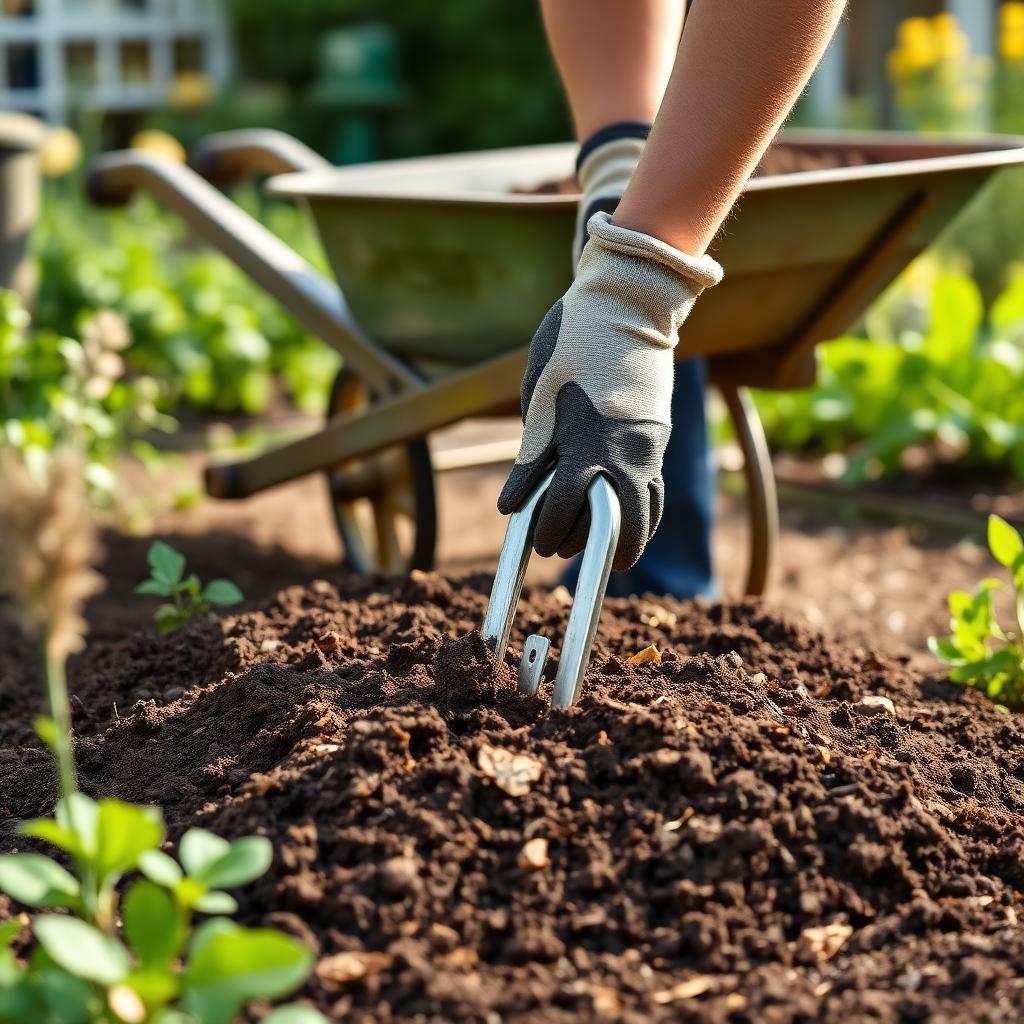
Clay soil can be tricky at planting time, but the following approach gives shrubs the best start:
- Choose the right time — autumn and early spring are ideal, when the soil is moist but not frozen or waterlogged.
- Dig a hole roughly twice the width of the rootball and the same depth.
- If the hole is filling with water, add a 5 cm layer of gravel at the bottom to improve drainage around the roots.
- Mix the excavated soil with plenty of well-rotted compost or manure before backfilling.
- Plant at the same depth as the pot, firm gently, and water thoroughly.
- Mulch with 5 cm of compost or bark to keep weeds down and moisture consistent.
Designing a clay-soil shrub border
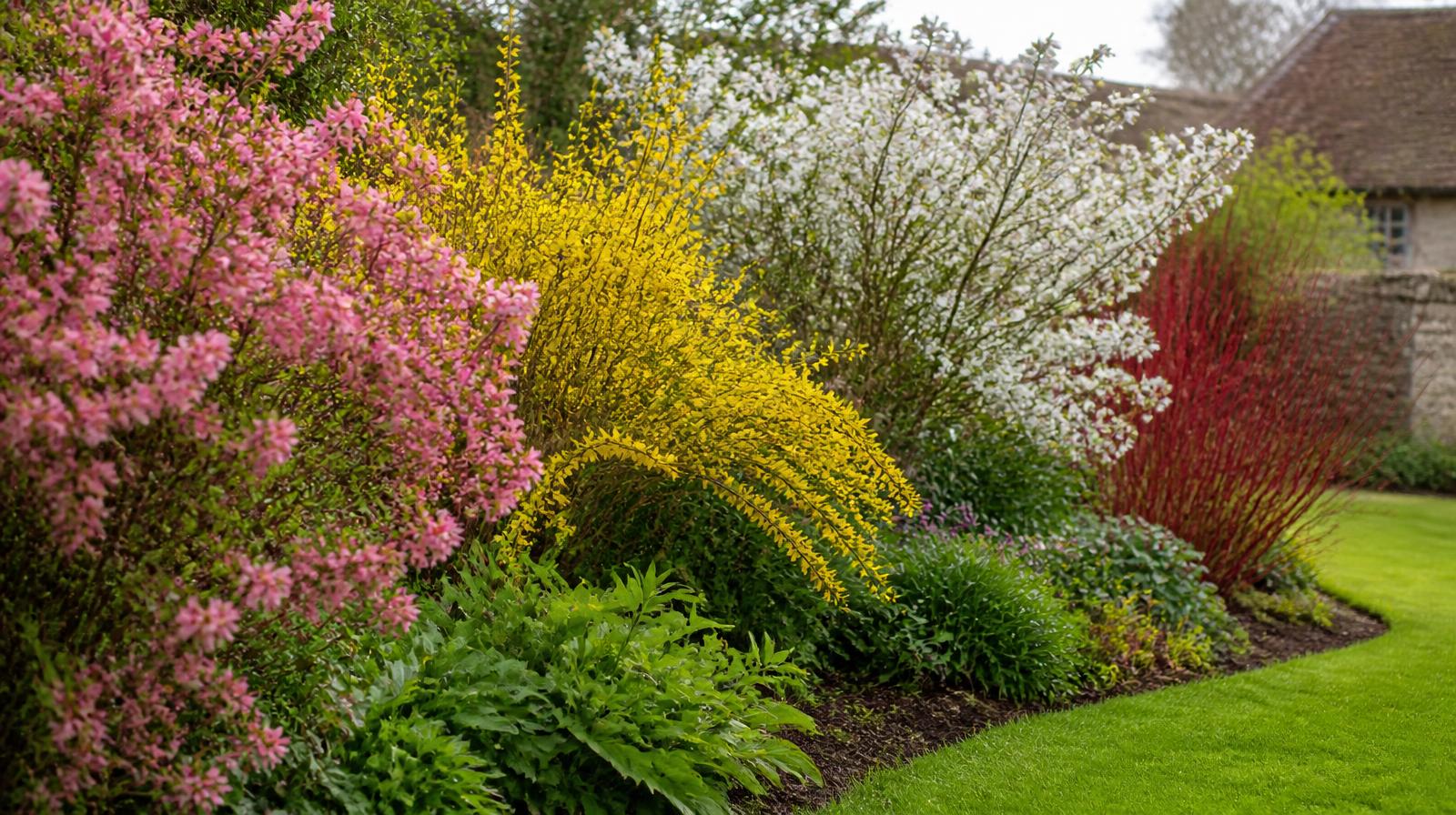
A good shrub border should have interest in every season. Start with a backbone of evergreen or winter-stemmed shrubs such as Mahonia, Viburnum 'Dawn' and Cornus, then add spring and summer flowering shrubs like Forsythia, Weigela, Buddleja and hardy Fuchsia. Finish with autumn berry plants such as Pyracantha, Cotoneaster and Berberis for late-season colour and wildlife value.
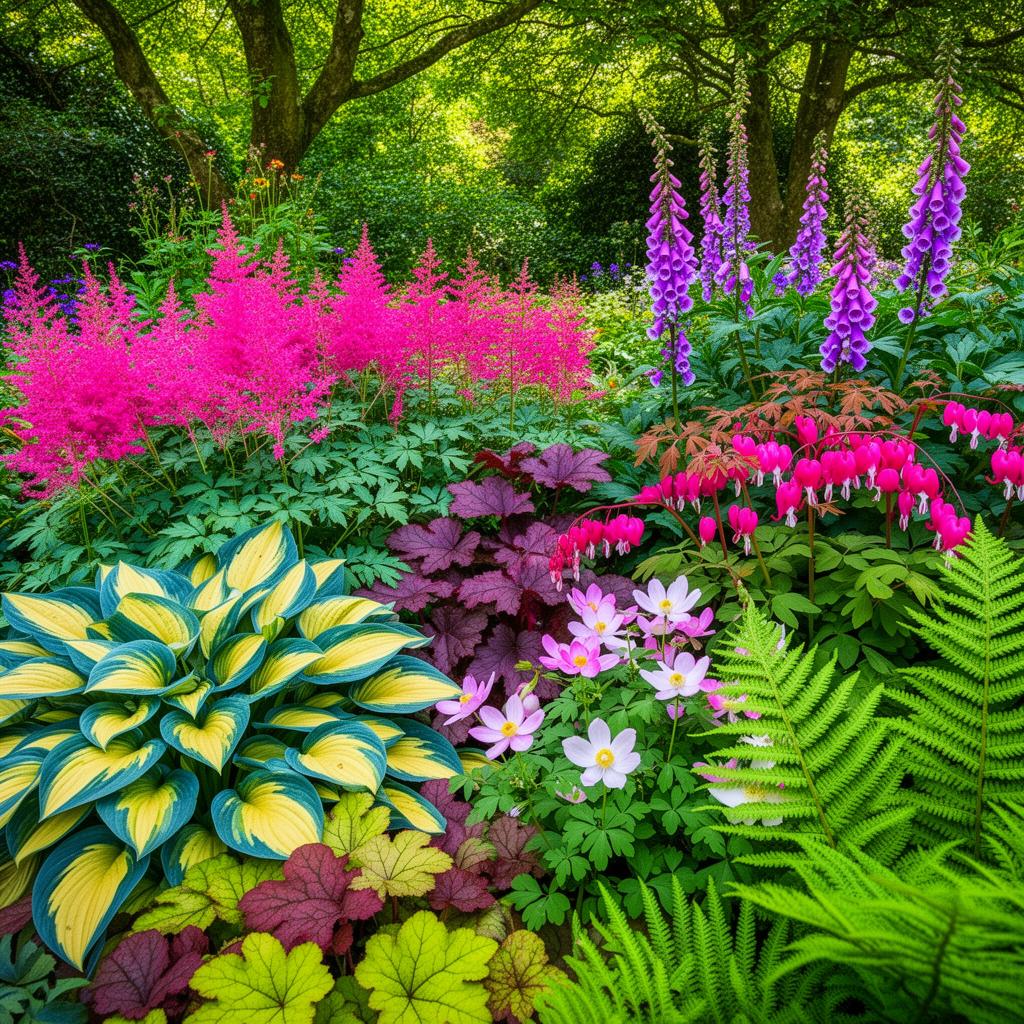
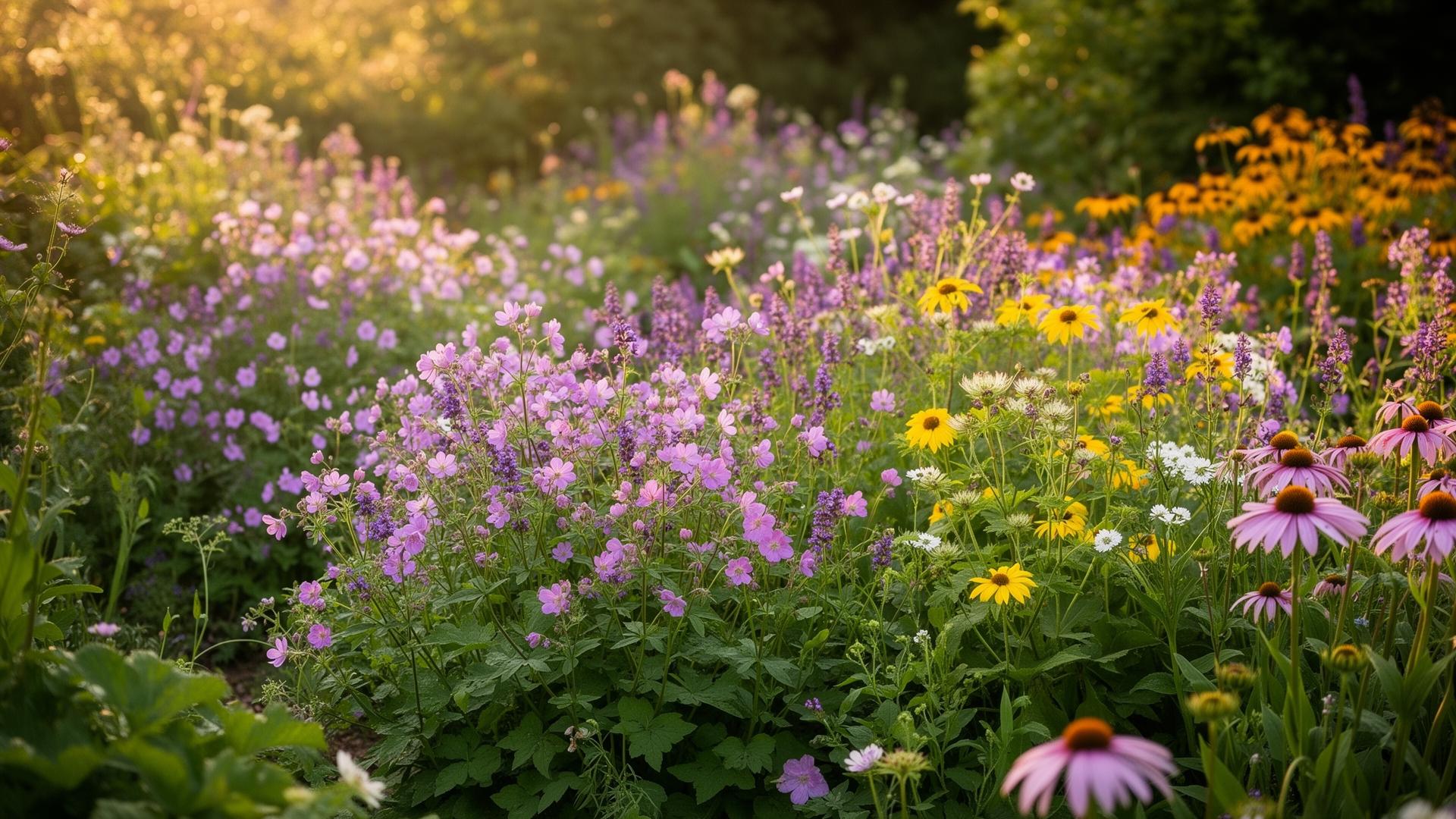
In clay soil, shrubs are best underplanted with tough perennials that also enjoy moisture-retentive ground — hostas, astrantia, hardy geraniums and ferns all work beautifully.
Frequently asked questions
Can you plant shrubs straight into clay soil?
Yes — many shrubs thrive in clay, including roses, viburnums, mahonias, dogwoods and buddlejas. The key is to improve the planting hole with compost and avoid planting when the ground is waterlogged or frozen.
Do all shrubs need sandy or loamy soil?
No. Mediterranean shrubs such as lavender and rosemary need sharp drainage, but many UK-hardy shrubs are naturally adapted to heavier soils and prefer the moisture and nutrients clay provides.
When is the best time to plant shrubs on clay?
Autumn and early spring are best. The soil is workable and warm enough for roots to establish before the stress of summer heat or winter cold.
Should I add grit when planting shrubs in clay?
Grit in the bottom of the planting hole can help drainage for individual shrubs, but the biggest improvement comes from mixing organic matter — compost or well-rotted manure — into the soil around the roots.
Which shrubs flower in winter on clay soil?
Viburnum × bodnantense 'Dawn', Mahonia × media, Sarcococca confusa and the winter-stemmed Cornus alba 'Sibirica' all bring colour and interest to clay gardens through the coldest months.